
There’s something magical about a perfectly prepared beef lasagna that brings people together around the dinner table. The rich aroma of tomato sauce simmering with herbs, the savory layers of seasoned ground beef, and that irresistible blanket of melted cheese create a dining experience that warms both heart and soul. This traditional Beef Lasagna recipe has stood the test of time as a beloved family favorite across generations. Whether you’re cooking for a special occasion or simply craving a comforting homemade meal, this classic Italian dish delivers satisfaction with every bite. The beauty of lasagna lies in its wonderful layers – pasta sheets nestled between savory meat sauce and creamy cheese – creating a perfect harmony of flavors and textures that’s simply unmatched. Let’s dive into creating this magnificent dish together, one delicious layer at a time.
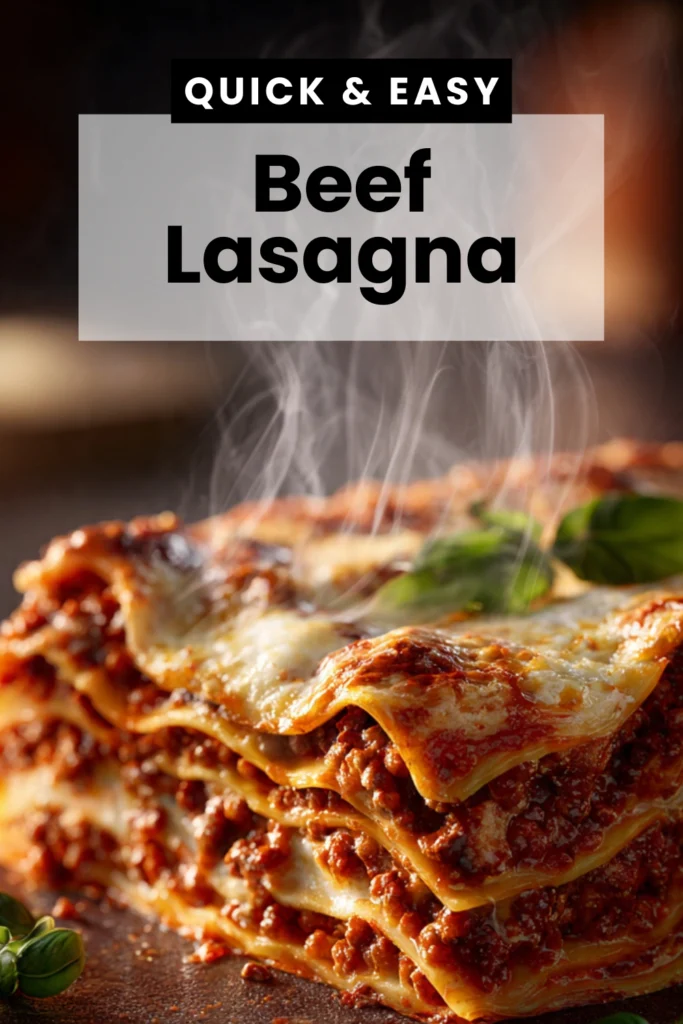
Table of Contents
Table of Contents
Ingredients
For the meat sauce:
- 2 pounds ground beef (80/20 lean-to-fat ratio works best)
- 1 large onion, finely diced
- 4 garlic cloves, minced
- 2 carrots, finely diced
- 2 celery stalks, finely diced
- 2 cans (28 oz each) crushed tomatoes
- 1 can (6 oz) tomato paste
- 2 tablespoons olive oil
- 1/4 cup fresh basil, chopped
- 2 tablespoons fresh oregano, chopped (or 2 teaspoons dried)
- 2 bay leaves
- 1 teaspoon salt (adjust to taste)
- 1/2 teaspoon black pepper
- 1/2 teaspoon red pepper flakes (optional)
- 1 cup beef broth
- 1/2 cup red wine (optional but adds depth)
For the cheese mixture:
- 15 oz whole milk ricotta cheese
- 2 cups shredded mozzarella cheese, divided
- 1 cup grated Parmesan cheese, divided
- 2 large eggs
- 1/4 cup fresh parsley, chopped
- 1/2 teaspoon salt
- 1/4 teaspoon ground nutmeg
Additional ingredients:
- 12-15 lasagna noodles (traditional or no-boil)
- 2 tablespoons olive oil (if using traditional noodles)
- 1 cup shredded mozzarella (for topping)
- 1/4 cup grated Parmesan (for topping)
Timing
Understanding the time commitment for making a proper beef lasagna helps you plan your cooking schedule:
- Preparation: 30-40 minutes
- Cooking sauce: 1 hour 15 minutes
- Boiling noodles (if using traditional): 10-12 minutes
- Assembly: 15-20 minutes
- Baking time: 45-50 minutes
- Resting time: 15-20 minutes
- Total time: Approximately 3 hours
While this may seem time-intensive, the rich, complex flavors that develop are absolutely worth it. Much of this time is hands-off simmering, allowing you to prepare other elements of your meal or simply relax while wonderful aromas fill your kitchen.
Step-by-step instructions
Step 1: Prepare the Meat Sauce
- Heat olive oil in a large, heavy-bottomed pot over medium heat.
- Add the diced onions and sauté until translucent, about 3-4 minutes.
- Add the carrots and celery, cooking for another 5 minutes until softened.
- Add the minced garlic and cook for 30 seconds until fragrant.
- Increase heat to medium-high and add the ground beef, breaking it up with a wooden spoon as it cooks.
- Cook until the meat is browned, about 8-10 minutes. Drain excess fat if necessary.
- Add the tomato paste and stir to coat the meat mixture, cooking for 2-3 minutes to caramelize slightly.
- Pour in the red wine (if using) and scrape up any browned bits from the bottom of the pot.
- Add crushed tomatoes, beef broth, bay leaves, oregano, basil, salt, pepper, and red pepper flakes.
- Bring to a simmer, then reduce heat to low and cover partially.
- Simmer for at least 1 hour (or up to 2 hours for deeper flavor), stirring occasionally.
- Remove bay leaves before using the sauce.
Step 2: Prepare the Noodles and Cheese Mixture
Advertisement
- If using traditional lasagna noodles:
- Bring a large pot of salted water to a boil.
- Add 1-2 tablespoons of olive oil to prevent sticking.
- Cook noodles 2 minutes less than package directions (they’ll continue cooking in the oven).
- Drain and lay noodles flat on clean kitchen towels to prevent sticking.
- If using no-boil noodles, simply have them ready for assembly.
- For the cheese mixture, combine ricotta, 1 cup mozzarella, 1/2 cup Parmesan, eggs, parsley, salt, and nutmeg in a medium bowl. Stir until well combined.
Step 3: Assemble the Lasagna
- Preheat your oven to 375°F (190°C).
- Spread about 1 cup of meat sauce on the bottom of a 9×13 inch baking dish.
- Place a layer of noodles over the sauce, slightly overlapping them.
- Spread about 1/3 of the ricotta mixture over the noodles.
- Top with about 1 1/2 cups of meat sauce.
- Sprinkle with some mozzarella and Parmesan.
- Repeat with two more layers of noodles, ricotta mixture, sauce, and cheeses.
- Place a final layer of noodles on top, then cover with the remaining sauce.
- Sprinkle the reserved 1 cup mozzarella and 1/4 cup Parmesan over the top.
Step 4: Bake
- Cover the baking dish with aluminum foil, making sure it doesn’t touch the cheese.
- Bake covered for 25 minutes.
- Remove foil and continue baking for another 20-25 minutes until bubbling and golden brown.
- Allow the lasagna to rest for 15-20 minutes before cutting to set the layers.
Nutritional Information
Understanding the nutritional profile of beef lasagna helps you make informed decisions about portion sizes and frequency. Here’s an approximate breakdown per serving (based on 12 servings per recipe):
- Calories: 420-450 calories
- Protein: 28g
- Carbohydrates: 30g
- Fat: 22g
- Fiber: 3g
- Sodium: 750mg
- Calcium: 35% of daily value
While beef lasagna is certainly hearty and calorie-dense, it provides significant protein and calcium. The vegetables in the sauce contribute essential nutrients and fiber. Consider balancing this rich dish with a fresh green salad or steamed vegetables to create a more nutritionally complete meal.
Healthier Alternatives
If you’re looking to make a more health-conscious version of this classic beef lasagna, consider these modifications:
- Leaner protein: Use 90/10 ground beef or substitute half or all of the beef with ground turkey.
- Vegetable boost: Add finely chopped mushrooms, zucchini, or spinach to the sauce for added nutrients and fiber.
- Whole grain pasta: Opt for whole wheat lasagna noodles for increased fiber content.
- Reduced-fat dairy: Use part-skim mozzarella and reduced-fat ricotta to lower the overall fat content.
- Vegetable layers: Add layers of grilled or roasted vegetables like eggplant, bell peppers, or zucchini between the pasta layers.
- Noodle alternatives: Replace some or all pasta layers with thinly sliced zucchini or eggplant for a lower-carb option.
- Control portions: Cut into smaller squares and serve with a large salad to maintain satisfaction while reducing calories.
Remember that even with modifications, lasagna remains a relatively rich dish. Enjoy it in moderation as part of a balanced diet.
Serving Suggestions
Elevate your beef lasagna meal with these perfect accompaniments:
- Fresh salads: A crisp Caesar salad, arugula with lemon dressing, or a classic Italian garden salad with vinaigrette provides refreshing contrast.
- Garlic bread: Homemade garlic bread or breadsticks are traditional companions that help soak up extra sauce.
- Roasted vegetables: Oven-roasted broccoli, asparagus, or Brussels sprouts with olive oil and garlic make excellent side dishes.
- Antipasto platter: For special occasions, start with an antipasto platter featuring olives, marinated vegetables, Italian cheeses, and cured meats.
- Wine pairing: A medium-bodied Italian red like Chianti, Montepulciano, or Sangiovese complements the rich flavors perfectly.
For a complete Italian experience, consider serving small portions of lasagna as part of a multi-course meal, following Italian antipasti and a light pasta course, with a simple dessert like fresh berries or gelato to finish.
Common Mistakes
Avoid these pitfalls for the perfect beef lasagna:
- Watery sauce: Not simmering the sauce long enough can result in excess moisture that makes lasagna soupy. Allow proper reduction time.
- Overcooked pasta: Boiling noodles to full tenderness before baking leads to mushy results. Undercook traditional noodles by 1-2 minutes.
- Insufficient resting time: Cutting into lasagna immediately after baking results in layers that slide apart. Always rest for 15-20 minutes.
- Skimping on seasoning: Bland lasagna is disappointing. Taste and adjust seasoning in your sauce before assembly.
- Uneven layering: Ensure each layer extends to the edges of the baking dish for consistent texture throughout.
- Too much sauce: While moist is good, drowning the lasagna makes it unstable. Use just enough sauce to coat each layer.
- Cheese overload: More isn’t always better. Too much cheese can make lasagna greasy and heavy.
- Overcrowded baking dish: Choose a dish with enough depth to accommodate all layers with some room at the top to prevent boil-over.
Storage Tips
Proper storage ensures your beef lasagna remains delicious for days:
- Refrigeration: Allow lasagna to cool completely before covering with plastic wrap or foil. Refrigerate for up to 3-4 days.
- Freezing unbaked: Assemble the lasagna completely, but don’t bake it. Cover tightly with plastic wrap and then foil. Freeze for up to 3 months. Thaw in refrigerator overnight before baking.
- Freezing baked: Cool completely, then cut into individual portions. Wrap each portion in plastic wrap and then foil. Freeze for up to 2 months.
- Reheating from refrigerated: Cover with foil and heat at 350°F for about 20 minutes, or until center reaches 165°F. Remove foil for the last 5 minutes to crisp the top if desired.
- Reheating from frozen: Individual portions can be reheated directly from frozen. Cover with foil and bake at 350°F for about 30-40 minutes.
- Microwave reheating: For quick individual servings, microwave on medium power with a damp paper towel over the top to prevent drying.
For best flavor, always allow refrigerated lasagna to come to room temperature for about 30 minutes before reheating.
Conclusion
A homemade beef lasagna represents more than just a meal—it’s an expression of love and care that brings people together. The layered complexity of flavors and textures creates a dining experience that satisfies on multiple levels, from the first aromatic whiff to the last savory bite. While it does require some time and attention to prepare properly, the rewards are immeasurable, especially when you see the joy it brings to those sharing your table. This classic recipe provides a solid foundation, but don’t be afraid to make it your own with family-specific tweaks and additions. Whether you’re preparing it for a special occasion or simply because it’s been too long since you’ve enjoyed this Italian classic, a well-made beef lasagna never disappoints. The leftovers—if you’re lucky enough to have any—might even taste better the next day as the flavors continue to meld. So roll up your sleeves, gather your ingredients, and prepare to create a dish that will not only fill bellies but also hearts.
FAQs
Do I need to boil no-boil lasagna noodles before assembling?
No, no-boil (or oven-ready) lasagna noodles are designed to cook directly in the oven, absorbing moisture from the sauce. However, ensure your sauce isn’t too thick, as these noodles need sufficient liquid to soften properly. Some cooks prefer adding a little extra water (about 1/4 cup) to the edges of the dish when using no-boil noodles to guarantee perfect texture.
Can I make beef lasagna ahead of time?
Absolutely! Beef lasagna is an excellent make-ahead dish. You can assemble it completely up to 24 hours in advance, cover, and refrigerate. When ready to serve, simply add about 15 minutes to the baking time. Alternatively, you can freeze the assembled but unbaked lasagna for up to 3 months. Thaw overnight in the refrigerator before baking.
Why is my lasagna falling apart when I serve it?
The most common reason for lasagna collapse is insufficient resting time. After removing from the oven, let your lasagna rest for 15-20 minutes to allow the layers to set and the cheese to slightly firm up. Another potential cause is too much sauce or a sauce that’s too watery. Simmer your sauce until it’s thick enough that it doesn’t immediately run when placed on a plate.
Can I use cottage cheese instead of ricotta?
Yes, cottage cheese can be substituted for ricotta in lasagna, though it will create a slightly different texture and flavor profile. If using cottage cheese, it’s best to drain it well and, for a smoother consistency similar to ricotta, pulse it briefly in a food processor. Many cooks add an extra egg when using cottage cheese to help bind the layers.
What’s the best way to cut lasagna neatly?
For clean, precise cuts, allow your lasagna to rest after baking for at least 15-20 minutes. Use a sharp knife, not a spatula, to cut through all layers. Some cooks find that a serrated knife works particularly well. For the neatest presentation, wipe your knife clean between cuts. If serving for a special occasion, you might even chill the lasagna overnight and reheat portions individually for perfectly intact squares.