
When weeknight dinners need a quick, protein-packed upgrade, nothing beats the versatility of shrimp. These delicious shrimp recipes transform simple ingredients into restaurant-quality meals in under 30 minutes. Whether you’re craving something zesty, creamy, or spicy, shrimp delivers incredible flavor while keeping things light and healthy. From garlic butter classics to Asian-inspired stir-fries, these recipes prove that cooking seafood at home doesn’t have to be intimidating.
Table of Contents
Table of Contents
Shrimp is America’s favorite seafood for good reason—it cooks in minutes, absorbs marinades beautifully, and pairs with virtually any cuisine. These 15 carefully selected recipes showcase the best ways to prepare shrimp, featuring options for grilling, sautéing, baking, and even air frying. Each recipe prioritizes simple ingredients you already have in your pantry, making them perfect for busy families and home cooks of all skill levels. Let’s dive into these crowd-pleasing dishes that will have everyone asking for seconds.
Ingredients
For a basic shrimp recipe foundation, gather these essential ingredients:
- 2 pounds large shrimp (31-40 count), peeled and deveined
- 4 tablespoons unsalted butter or olive oil
- 6 cloves garlic, minced
- 1 teaspoon salt
- 1/2 teaspoon black pepper
- 1/2 teaspoon red pepper flakes (optional)
- 2 tablespoons fresh lemon juice
- 1/4 cup fresh parsley, chopped
- 1/4 cup dry white wine or chicken broth
Smart Substitutions:
- Swap butter for ghee or coconut oil for dairy-free options
- Use lime juice instead of lemon for a tropical twist
- Replace white wine with vegetable broth plus a splash of lemon juice
- Substitute cilantro or basil for parsley to change flavor profiles
- Try smoked paprika instead of red pepper flakes for smoky heat
Optional Add-Ins:
- 1 cup cherry tomatoes, halved
- 1/2 cup heavy cream for a rich sauce
- 2 cups fresh spinach or kale
- 1/4 cup grated Parmesan cheese
- 1 tablespoon Cajun seasoning for a spicy kick
- 2 tablespoons soy sauce for Asian-inspired variations
Timing
Prep Time: 15 minutes
Cook Time: 10 minutes
Total Time: 25 minutes
Servings: 4-6
Make-Ahead Notes: Season and marinate shrimp up to 4 hours before cooking. Store covered in the refrigerator. Prepare all vegetables and measure ingredients ahead of time for ultra-fast cooking. Most cooked shrimp dishes reheat well within 2 days, making them excellent meal prep options for busy weeks.
Step-by-Step Instructions
Advertisement
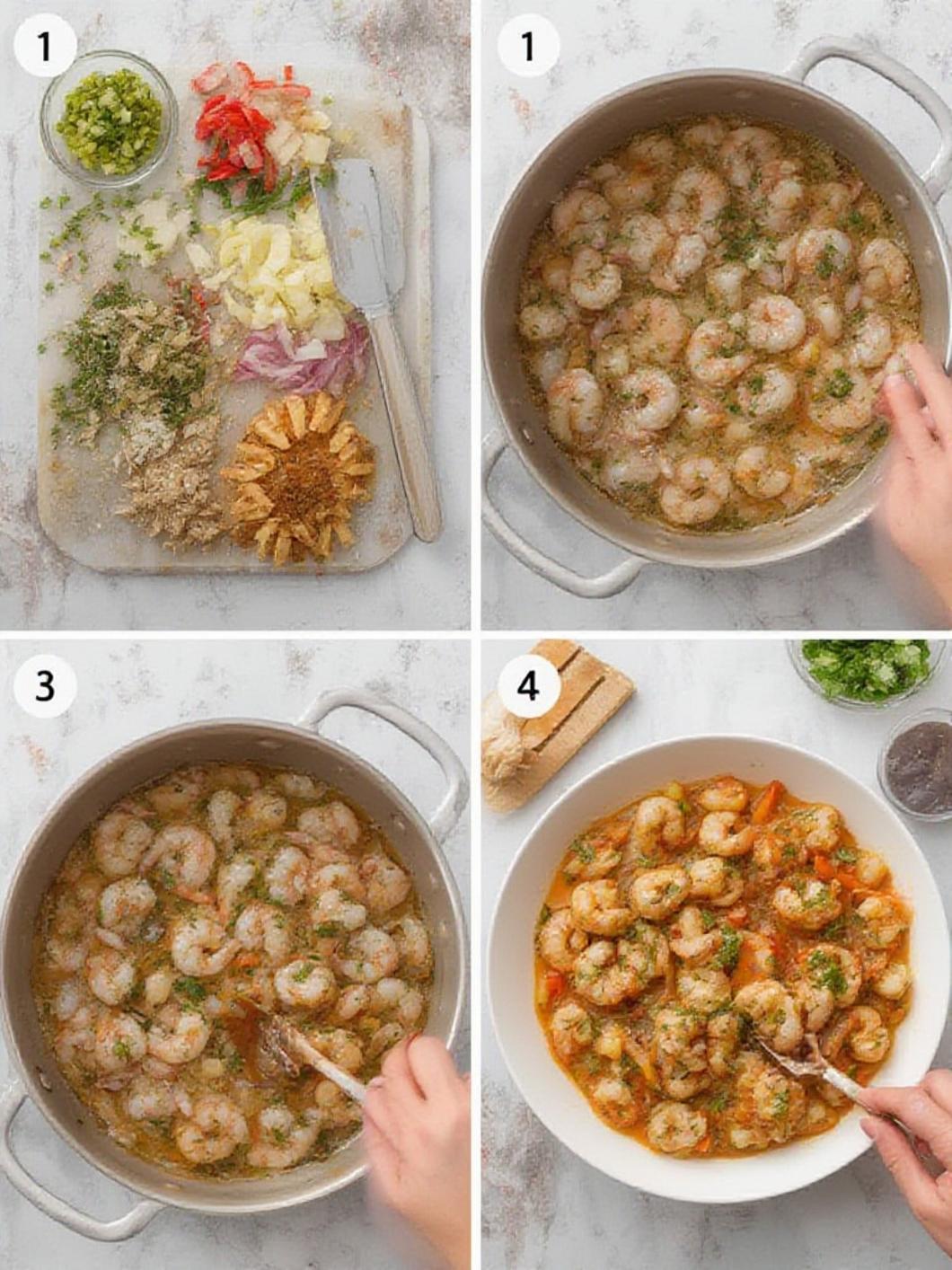
- Prepare the shrimp: Pat shrimp completely dry with paper towels. This crucial step ensures a perfect sear rather than steaming. Season generously with salt and pepper on both sides.
- Heat your pan: Place a large skillet over medium-high heat. Add 2 tablespoons of butter or oil and let it melt completely until it shimmers. The pan should be hot but not smoking.
- Sear the shrimp: Arrange shrimp in a single layer without overcrowding. Cook for 2 minutes on the first side without moving them. They should turn pink and develop a golden crust. Flip and cook for 1-2 minutes more until just opaque.
- Remove and set aside: Transfer cooked shrimp to a plate. Don’t worry if they’re slightly underdone—they’ll finish cooking in the sauce. This prevents the rubbery texture that comes from overcooking.
- Build the sauce: In the same pan, add remaining butter and minced garlic. Sauté for 30 seconds until fragrant but not browned. Pour in white wine or broth, scraping up any flavorful browned bits from the pan bottom.
- Reduce and season: Let the liquid simmer for 2-3 minutes until reduced by half. Add lemon juice, red pepper flakes, and any additional seasonings. Taste and adjust salt as needed.
- Combine and finish: Return shrimp to the pan along with any accumulated juices. Toss everything together for 1 minute, coating shrimp in the sauce. Remove from heat and stir in fresh parsley.
- Serve immediately: Transfer to a serving platter and spoon extra sauce over the top. Serve hot with crusty bread, pasta, rice, or vegetables for a complete meal.
Pro Tips: Don’t overcrowd the pan—cook in batches if necessary. Use a timer to avoid overcooking. Fresh or frozen shrimp both work, but thaw frozen shrimp completely before cooking. For an shrimp recipes variation with spinach and cream, add those ingredients during step 6.
Nutritional Information
Per Serving (approximately):
- Calories: 245
- Protein: 28g
- Carbohydrates: 3g
- Fat: 12g
- Saturated Fat: 6g
- Cholesterol: 295mg
- Sodium: 780mg
- Fiber: 0g
Shrimp is an excellent source of lean protein, providing all essential amino acids while remaining low in calories and carbohydrates. It’s rich in selenium, vitamin B12, and omega-3 fatty acids that support heart and brain health. The high protein content helps keep you satisfied, making shrimp ideal for weight management. While shrimp contains dietary cholesterol, research shows it doesn’t significantly impact blood cholesterol levels for most people. The addition of garlic provides antioxidants, while lemon juice offers vitamin C. Keep sodium in check by reducing added salt if you’re monitoring your intake.
Healthier Alternatives
Make these shrimp recipes even more nutritious with these simple swaps:
- Reduce saturated fat: Use olive oil instead of butter, cutting saturated fat by 60% while adding heart-healthy monounsaturated fats
- Lower sodium: Use low-sodium broth and reduce added salt by half, letting lemon juice and herbs provide flavor
- Add vegetables: Incorporate zucchini noodles, bell peppers, or broccoli to increase fiber and vitamins
- Choose whole grains: Serve over quinoa, brown rice, or whole wheat pasta instead of white varieties
- Lighten creamy versions: Replace heavy cream with Greek yogurt or cashew cream for protein and fewer calories
- Skip breading: Avoid fried preparations to reduce calories and unhealthy fats significantly
- Boost omega-3s: Add a handful of walnuts or chia seeds to increase anti-inflammatory benefits
Serving Suggestions
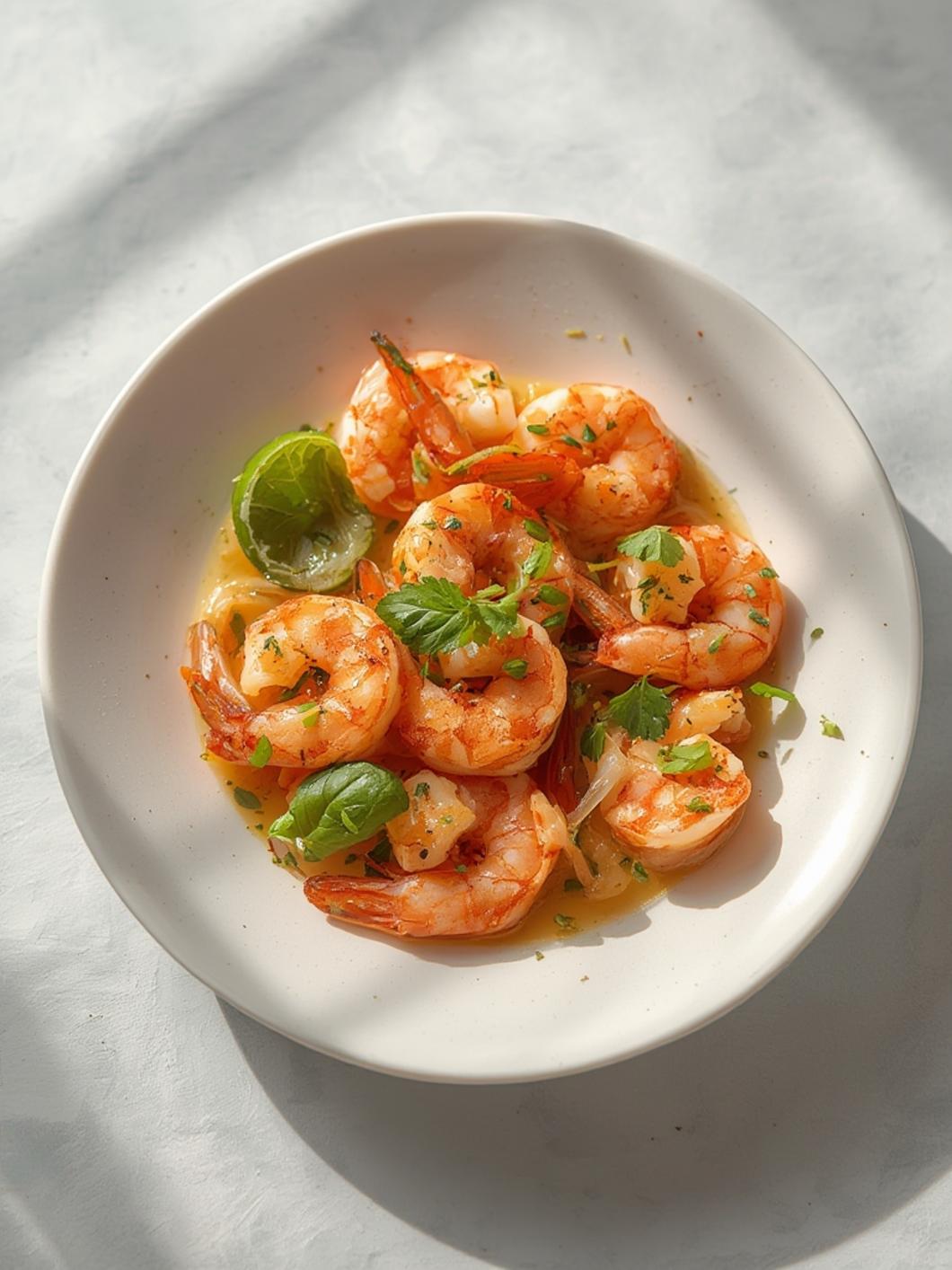
Transform your shrimp into a complete meal with these delicious pairings:
Grain & Pasta Bases:
- Creamy garlic parmesan risotto for an Italian feast
- Cilantro-lime rice with black beans for Tex-Mex flair
- Angel hair pasta tossed with olive oil and herbs
- Quinoa pilaf with roasted vegetables
- Buttered egg noodles for comfort food appeal
Vegetable Sides:
- Roasted asparagus with lemon zest
- Garlic green beans almondine
- Caesar salad with homemade croutons
- Grilled zucchini and summer squash
- Sautéed spinach with garlic
Bread Options:
- Crusty French baguette for sopping up sauce
- Garlic bread with melted mozzarella
- Cornbread muffins for Southern-style meals
- Dinner rolls brushed with herb butter
Beverage Pairings:
- Crisp Sauvignon Blanc or Pinot Grigio
- Light lager or wheat beer
- Sparkling water with lemon and cucumber
- Sweet iced tea for Southern comfort
For more inspiration on creating an easy shrimp dinner, explore various side dish combinations that complement the seafood’s delicate flavor.
Common Mistakes
Avoid these pitfalls for perfect shrimp every time:
Overcooking: Shrimp turns rubbery when cooked too long. Remove from heat as soon as they turn pink and opaque, usually within 3-4 minutes total. The residual heat continues cooking them.
Skipping the pat-dry step: Wet shrimp steams instead of searing, resulting in a mushy texture. Always pat completely dry before cooking.
Overcrowding the pan: Too many shrimp at once lowers the pan temperature, causing them to release moisture and steam. Cook in batches for the best sear.
Not deveining properly: The dark vein can be gritty and unappetizing. Remove it completely for better texture and presentation.
Using frozen shrimp incorrectly: Never cook shrimp from frozen—thaw overnight in the refrigerator or quickly in cold water. Dry thoroughly before seasoning.
Burning garlic: Garlic burns quickly and turns bitter. Add it after removing shrimp and cook only until fragrant, about 30 seconds.
Under-seasoning: Shrimp needs adequate salt to bring out its natural sweetness. Season generously before and during cooking.
Storage Tips
Refrigerator Storage: Store cooked shrimp in an airtight container in the refrigerator for up to 3 days. Keep them separate from any sauce to maintain the best texture. When ready to eat, reheat gently to avoid toughening.
Freezing Instructions: While freshly cooked shrimp freezes well for up to 2 months, previously frozen shrimp (which most store-bought shrimp are) shouldn’t be refrozen after cooking. If freezing, place cooled shrimp in freezer-safe bags, remove excess air, and label with the date.
Reheating Methods:
- Stovetop: Best method—heat a skillet over medium heat with a splash of broth or butter. Add shrimp and toss for 2-3 minutes until warmed through.
- Microwave: Place in a microwave-safe dish, cover with a damp paper towel, and heat in 30-second intervals, stirring between each.
- Oven: Wrap in foil and warm at 300°F for 10-15 minutes. This method works well for larger quantities.
Raw Shrimp Storage: Keep raw shrimp in the coldest part of your refrigerator and use within 1-2 days of purchase. Store on ice if possible to maintain freshness.
Conclusion
These versatile shrimp recipes prove that impressive, restaurant-quality meals don’t require hours in the kitchen. With just 25 minutes and simple ingredients, you can create dishes that satisfy every palate—from classic garlic butter preparations to bold, internationally-inspired flavors. Shrimp’s quick cooking time and nutritional benefits make it perfect for busy weeknights when you want something special without the stress.
FAQs
Q: Can I use pre-cooked shrimp for these recipes?
A: Pre-cooked shrimp works for cold dishes like salads and cocktails, but for hot preparations, use raw shrimp for the best texture. If using pre-cooked, simply warm them briefly in the sauce without additional cooking to prevent toughening.
Q: How can I tell when shrimp is fully cooked?
A: Properly cooked shrimp turns pink, forms a C-shape, and appears opaque throughout. Overcooked shrimp curls tightly into an O-shape and feels rubbery. The internal temperature should reach 120°F for perfect doneness.
Q: What size shrimp works best for these recipes?
A: Large (31-40 count per pound) or extra-large (26-30 count) shrimp work beautifully. They’re substantial enough to develop a nice sear without overcooking. Smaller shrimp cook faster and require careful timing to prevent rubberiness.
Q: Can I make shrimp recipes ahead for meal prep?
A: Yes! Cook shrimp and store separately from sauces or sides. Refrigerate for up to 3 days and reheat gently. Alternatively, prep all ingredients and marinate raw shrimp up to 4 hours ahead, then cook fresh when ready to serve for optimal texture.