
Chicken stir fry is a quick, nutritious meal combining tender chicken breast with crisp vegetables in a savory sauce. This versatile Asian-inspired dish delivers restaurant-quality results in under thirty minutes with simple pantry ingredients and basic cooking techniques.
Perfect for busy weeknights, chicken stir fry adapts easily to your preferred vegetables and proteins. The combination of bold flavors, vibrant colors, and satisfying textures makes this dish a family favorite across cultures. Serve it over rice or noodles for a complete, balanced meal.
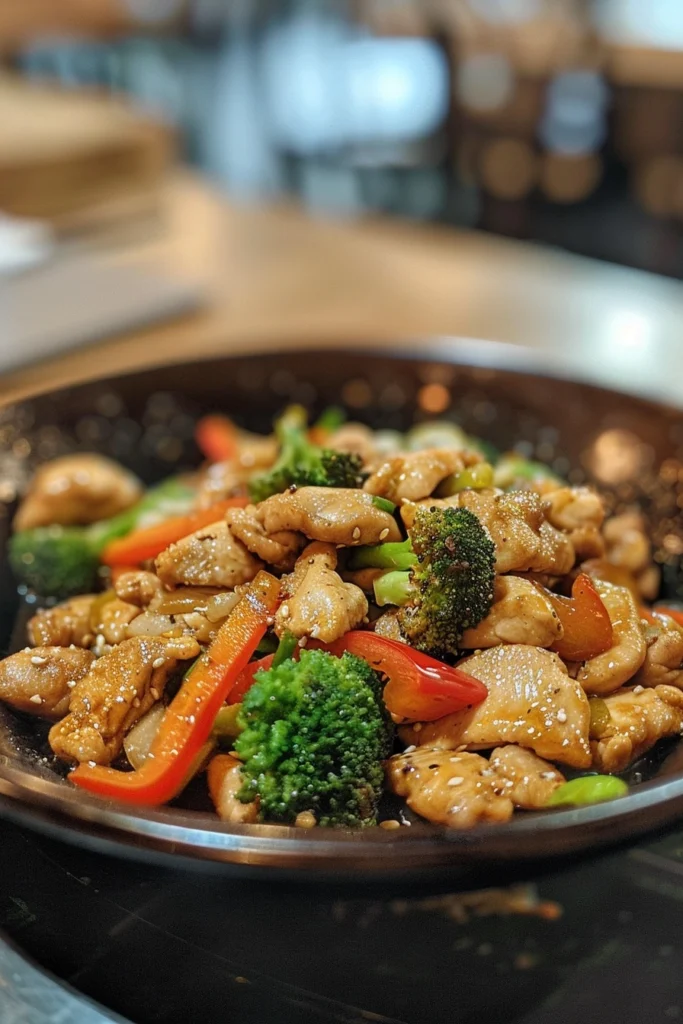
This chicken stir fry recipe combines tender, perfectly cooked chicken with crisp vegetables and a delicious homemade sauce. Below is a quick overview of preparation and cooking times.
| Prep Time | Cook Time | Total Time | Servings | Difficulty | Cuisine |
|---|---|---|---|---|---|
| 15 minutes | 15 minutes | 30 minutes | 4 servings | Easy | Asian |
Why This Recipe Works
This chicken stir fry recipe succeeds because it balances technique with simplicity. High heat cooking creates a flavorful crust on the chicken while maintaining juicy, tender meat inside. The vegetables retain their crisp texture through proper timing and heat management, avoiding the mushy results common in poorly executed stir fries.
The homemade sauce delivers restaurant-quality flavor by combining savory soy sauce, sweet honey, and aromatic sesame oil with just enough thickener to coat the ingredients evenly. Cooking the chicken separately before adding vegetables prevents overcooking and ensures each component achieves perfect doneness. This method gives you complete control over texture and flavor development.
The ingredient combination provides complete nutrition with lean protein, complex carbohydrates from the vegetables, and healthy fats from sesame oil. The balance of sweet, salty, and spicy notes appeals to diverse palates while remaining simple enough for weeknight cooking.
Ingredients
Gather these fresh, quality ingredients before beginning your chicken stir fry preparation. Having everything measured and ready ensures smooth, efficient cooking once you start.
Advertisement
| Ingredient | Quantity | Notes |
|---|---|---|
| Boneless, skinless chicken breast | 1 lb | Cut into 1-inch cubes for even cooking |
| Salt and pepper | To taste | Season chicken before cooking |
| Olive oil | 2 tbsp divided | Use 1 tbsp for chicken, 1 tbsp for vegetables |
| Broccoli florets | 2 cups | Fresh broccoli works best |
| Yellow bell pepper | 1/2 pepper | Cut into 1-inch pieces |
| Red bell pepper | 1/2 pepper | Cut into 1-inch pieces for color |
| Baby carrots | 1/2 cup | Sliced for quick cooking |
| Fresh ginger | 2 tsp minced | Use fresh ginger for best flavor |
| Garlic cloves | 2 cloves minced | Mince finely to distribute flavor |
| Corn starch | 1 tbsp | Thickens sauce |
| Cold water | 2 tbsp | Dissolves corn starch |
| Low sodium chicken broth | 1/4 cup | Adds savory depth |
| Low sodium soy sauce | 3 tbsp | Core flavor of the sauce |
| Honey | 1/4 cup | Balances savory with sweetness |
| Toasted sesame oil | 1 tbsp | Essential for authentic flavor |
| Crushed red pepper flakes | 1/2 tsp | Adjust for heat preference |
Step-by-Step Instructions
Follow these detailed steps carefully to create a perfectly balanced chicken stir fry with tender chicken and crisp vegetables. The order of operations ensures each component cooks to ideal texture and flavor.
In a medium bowl, whisk together corn starch and cold water until smooth and lump-free. Add chicken broth, soy sauce, honey, toasted sesame oil, and crushed red pepper flakes to the cornstarch mixture. Whisk thoroughly until well combined and set the sauce aside.
- Add one tablespoon of olive oil to a large skillet or wok and heat over medium-high heat until the oil shimmers and is very hot.
- Add the chicken cubes in a single layer if possible, or in batches to avoid overcrowding. Season generously with salt and pepper. Cook for three to five minutes, stirring occasionally, until the chicken is cooked through and reaches an internal temperature of 165 degrees Fahrenheit. Remove the cooked chicken from the skillet onto a clean plate.
- Reduce the heat to medium and add the remaining tablespoon of oil to the now-empty skillet.
- Add broccoli florets, yellow bell pepper pieces, red bell pepper pieces, and sliced baby carrots to the skillet. Cook, stirring occasionally, for three to four minutes until the vegetables are just crisp-tender with a slight bite remaining.
- Add the minced ginger and minced garlic to the vegetables and cook for an additional one minute, stirring constantly, until fragrant.
- Return the cooked chicken to the skillet with the vegetables and stir gently to combine all ingredients evenly.
- Whisk the stir fry sauce one more time to ensure the cornstarch is suspended, then pour the entire sauce over the chicken and vegetables. Stir gently but thoroughly to coat everything evenly with the sauce.
- Bring the mixture to a boil over medium-high heat, stirring occasionally and gently. Let the mixture boil for exactly one minute, which allows the cornstarch to thicken the sauce properly without overcooking.
- Remove from heat and serve immediately with steamed rice and/or chow mein noodles if desired.
Chef Tips for Perfect Results
These professional techniques elevate your chicken stir fry from good to exceptional. Implement these strategies for consistently restaurant-quality results.
- Prepare ingredients in advance: Chop all vegetables and measure all sauce ingredients before you start cooking. Stir fry cooking happens quickly, and scrambling for ingredients mid-cooking ruins timing and quality.
- Use high heat consistently: Keep your skillet or wok on medium-high or high heat throughout cooking. This creates the signature flavor development and prevents vegetables from becoming mushy or watery.
- Don’t overcrowd the pan: Cook chicken in batches if needed rather than cramming everything in at once. Overcrowding causes steaming instead of searing, resulting in pale, rubbery chicken.
- Keep vegetables crisp-tender: Remove vegetables from heat while they still have slight resistance when bitten. Continuing to cook them transforms them into soft, flavorless mush that detracts from the dish.
- Whisk the sauce before adding: Cornstarch settles to the bottom, so give it a quick whisk before pouring to ensure even thickening and smooth texture throughout.
- Taste and adjust seasoning: Before serving, taste your chicken stir fry and adjust soy sauce, honey, or red pepper flakes to your preference for personalized flavor balance.
Common Mistakes to Avoid
Understanding what goes wrong helps you sidestep common pitfalls and create the best chicken stir fry possible. Learn from these frequent errors and their solutions.
- Using low heat throughout cooking: Low heat results in steamed rather than seared food with pale, boiled appearance and bland flavor. The fix: maintain medium-high to high heat consistently for proper browning and flavor development that defines quality stir fry.
- Overcooking the chicken: Tough, dry chicken ruins the entire dish and occurs when cooking continues past the 165-degree internal temperature mark. The fix: remove chicken as soon as it reaches proper temperature, then add it back in the final stage for gentle reheating.
- Adding sauce too early: Pouring sauce before vegetables are cooked creates a watery, diluted dish with soft vegetables. The fix: wait until vegetables reach the crisp-tender stage before adding the sauce, which also gives you perfect timing for serving.
- Skipping the cornstarch slurry step: Adding cornstarch directly to the sauce creates lumps and uneven thickening throughout the dish. The fix: always dissolve cornstarch in cold water first, then whisk with the remaining sauce ingredients for a smooth, glossy finish.
- Using low-quality sesame oil: Regular sesame oil lacks the nutty flavor that defines authentic stir fry. The fix: purchase toasted sesame oil specifically, which delivers robust, distinctive flavor that elevates the entire dish significantly.
Variations and Substitutions
Chicken stir fry adapts beautifully to different ingredients, dietary preferences, and flavor profiles. Use this guide to customize the recipe while maintaining the essential technique and balance that makes stir fry successful.
| Ingredient | Substitution | Impact |
|---|---|---|
| Chicken breast | Shrimp, beef sirloin, or tofu | Changes protein but maintains the same cooking technique and sauce compatibility |
| Broccoli | Snap peas, green beans, or bok choy | Maintains crispness and nutritional value with different textures and flavors |
| Bell peppers | Zucchini, mushrooms, or water chestnuts | Offers different textures and sweetness levels while keeping the vegetable diversity |
| Honey | Brown sugar, maple syrup, or agave | Creates subtle flavor variations while maintaining the sweet-savory balance |
| Soy sauce | Tamari or coconut aminos | Accommodates gluten-free or different dietary needs while preserving umami flavor |
| Olive oil | Vegetable oil or coconut oil | Works equally well for cooking with neutral or distinct flavor profiles |
| Red pepper flakes | Sriracha, cayenne pepper, or chili paste | Adjusts spice level and adds different heat and flavor characteristics |
Serving Suggestions and Pairings
Chicken stir fry pairs beautifully with various sides that complement its savory, slightly sweet profile. Serve over steamed jasmine rice for a classic approach, or choose brown rice for added nutrition and fiber. Chow mein noodles add satisfying texture and make the meal more substantial for heartier appetites. For lighter preferences, cauliflower rice provides volume with minimal calories while maintaining authenticity.
Complete your chicken stir fry meal with fresh garnishes and beverages that enhance the dining experience. Top with sliced green onions, sesame seeds, or fresh cilantro for brightness and visual appeal. A cold glass of unsweetened iced tea, fresh lemonade, or sparkling water balances the savory sauce perfectly. For entertaining, serve alongside cucumber salad or a simple green salad dressed with rice vinegar and sesame oil to add freshness and balance the richness of the stir fry.
Storage and Reheating
Proper storage ensures your chicken stir fry remains safe and delicious for several days. Store leftovers in an airtight container in the refrigerator for up to four days. Keep rice or noodles stored separately to prevent them from absorbing excess sauce and becoming mushy.
| Method | Duration | Instructions |
|---|---|---|
| Refrigerator | Up to 4 days | Store in an airtight container at 40 degrees Fahrenheit or below. Keep rice or noodles separate to maintain texture. |
| Freezer | Up to 3 months | Place in a freezer-safe container or bag, removing as much air as possible. Label with the date for easy tracking. |
| Stovetop reheating | 5-7 minutes | Heat in a skillet over medium heat, stirring occasionally. Add a splash of chicken broth if the sauce has thickened too much. |
| Microwave reheating | 2-3 minutes | Place in a microwave-safe dish, cover loosely, and heat on 50% power. Stir halfway through for even heating. |
Nutritional Information
Each serving of this chicken stir fry provides balanced nutrition with lean protein, vegetables, and healthy fats that support a balanced diet.
| Nutrient | Amount per Serving |
|---|---|
| Calories | 343 kcal |
| Protein | 26 g |
| Fat | 13 g |
| Saturated Fat | 2 g |
| Carbohydrates | 29 g |
| Fiber | 2 g |
| Sugar | 19 g |
| Cholesterol | 72 mg |
| Sodium | 570 mg |
| Potassium | 709 mg |
| Vitamin A | 3095 IU |
| Vitamin C | 89.1 mg |
| Calcium | 35 mg |
| Iron | 1.4 mg |
Approximate values based on 4 servings without rice or noodles.
Frequently Asked Questions
Find answers to common questions about preparing, cooking, and customizing chicken stir fry for your preferences and needs.
Can I use frozen vegetables in my chicken stir fry?
Yes, frozen vegetables work perfectly for chicken stir fry and often provide excellent convenience and consistency. Use frozen vegetables directly from the freezer without thawing to maintain their crisp texture. Add them to the pan slightly earlier than fresh vegetables since they require a bit more cooking time. Frozen broccoli, peppers, and carrots perform especially well in stir fry applications with virtually no difference in final quality from fresh options.
How do I prevent my chicken from drying out?
The key to juicy chicken in stir fry is cooking it to exactly 165 degrees Fahrenheit internal temperature, no higher. Use an instant-read thermometer for accuracy rather than guessing based on appearance or texture. Cook the chicken in batches if necessary to avoid overcrowding, which causes temperature spikes and overcooking. Remove the chicken from the heat as soon as it reaches 165 degrees, then reintroduce it at the end for gentle reheating without further cooking.
What type of rice pairs best with chicken stir fry?
Jasmine rice is the traditional choice for chicken stir fry due to its delicate, slightly floral flavor that complements the savory sauce beautifully. Brown rice adds nutty flavor and increased nutrition with additional fiber for health-conscious diners. Basmati rice works well if you prefer a more distinct, aromatic rice with separate grains. White rice also works perfectly if you prefer simplicity and neutrality. Cook whichever rice you choose according to package directions and serve alongside your stir fry for soaking up the delicious sauce.
Can I make chicken stir fry ahead of time?
You can prepare all ingredients ahead of time for quick assembly, which is called mise en place in professional cooking. Chop vegetables, cube the chicken, and measure sauce ingredients up to one day in advance, storing each in separate containers in the refrigerator. However, cook the stir fry just before serving for optimal texture and flavor since cooked stir fry doesn’t maintain the same crisp vegetable texture after refrigeration. This preparation method gives you the convenience of quick cooking without sacrificing quality.
How can I adjust the sauce sweetness and spice level?
The current recipe provides a balanced sweet-savory profile with gentle heat from the red pepper flakes. To make it sweeter, increase honey to one-third cup while reducing soy sauce to two tablespoons. For less sweetness, reduce honey to three tablespoons and increase soy sauce to four tablespoons for deeper savory flavor. To increase spice, add up to one full teaspoon of crushed red pepper flakes or one tablespoon of sriracha sauce mixed into the sauce. Taste as you go and adjust incrementally since you can always add more but cannot remove flavors once added.
Conclusion
Chicken stir fry represents the perfect balance of speed, nutrition, and flavor for busy home cooks seeking restaurant-quality meals. This versatile dish accommodates dietary preferences, ingredient availability, and personal taste preferences while maintaining authentic technique. Master these fundamentals and you’ll create countless delicious variations that satisfy your family and impress dinner guests. Begin cooking today and discover why chicken stir fry remains a beloved favorite across cultures and kitchens worldwide.
Chicken Stir Fry
Ingredients
Method
- Heat wok or large skillet over medium-high heat, add 1 tsp oil. Add chicken, season with salt and pepper, and cook until golden brown (5-6 minutes). Transfer to plate.
- In same pan, stir-fry broccoli, bell peppers, and snap peas until crisp-tender (3-4 minutes). Add ginger, garlic, and remaining 1 tsp sesame oil; cook 1 minute.
- Mix soy sauce, honey, cornstarch, and 2 tbsp water. Pour sauce into pan, stir to combine. Return chicken to pan and simmer until sauce thickens (2-3 minutes).
- Serve over rice/noodles, garnished with green onions and sesame seeds.