
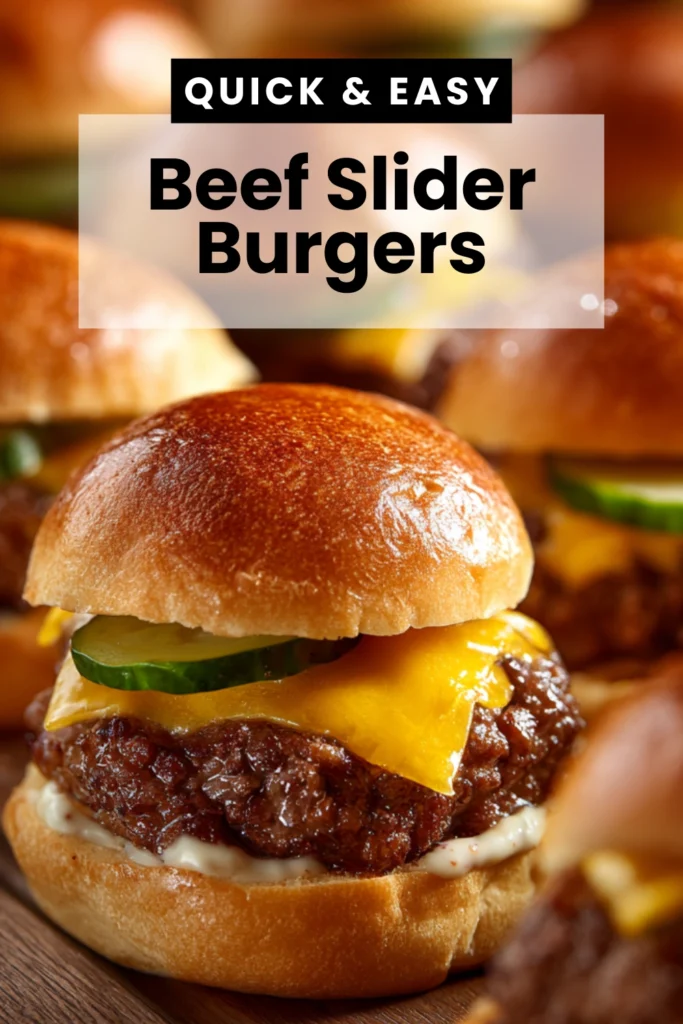
There’s something inherently joyful about Beef Slider Burgers that makes them perfect for any occasion. These mini delights pack all the flavor of their full-sized counterparts into perfect two-bite wonders that never fail to please a crowd. Whether you’re hosting a backyard barbecue, game day gathering, or family dinner, beef slider burgers bring people together with their irresistible charm and versatility. The beauty of these little burgers lies in their ability to be customized to everyone’s taste while maintaining that classic burger satisfaction we all crave. In this recipe, we’ll explore how to create the juiciest, most flavorful beef slider burgers that will have everyone reaching for seconds (or thirds!). So let’s roll up our sleeves and discover the warm, comforting joy of making these miniature marvels that deliver maximum flavor in every bite.
Table of Contents
Table of Contents
Ingredients
Creating the perfect beef slider burgers starts with gathering quality ingredients. Here’s everything you’ll need to make about 12 delicious sliders:
For the Patties:
- 1 pound ground beef (80/20 lean-to-fat ratio recommended)
- 1 tablespoon Worcestershire sauce
- 1 teaspoon garlic powder
- 1 teaspoon onion powder
- 1 teaspoon salt
- 1/2 teaspoon freshly ground black pepper
- 1 tablespoon olive oil (for cooking)
For Assembly:
- 12 slider buns (potato rolls work wonderfully)
- 6 slices American, cheddar, or Swiss cheese, cut in half
- 1 small red onion, thinly sliced
- 1 large tomato, thinly sliced
- 1 cup lettuce, shredded or whole leaves
- Dill pickle slices
- Ketchup
- Mustard
- Mayonnaise
Optional Special Sauce:
- 1/4 cup mayonnaise
- 2 tablespoons ketchup
- 1 tablespoon pickle relish
- 1/2 teaspoon garlic powder
- 1 teaspoon honey
- A few dashes of hot sauce (optional)
The quality of your ground beef makes a significant difference in the final result. Look for freshly ground beef with a nice balance of lean meat and fat. The 80/20 ratio gives you juicy burgers with great flavor, while leaner options might result in drier patties. Remember, these are little bites of joy, so quality ingredients will shine through in these mini packages.
Timing
Creating delicious beef slider burgers doesn’t require hours in the kitchen. Here’s a breakdown of the time commitment:
- Prep time: 15-20 minutes
- Cook time: 8-10 minutes
- Assembly time: 10 minutes
- Total time: 35-40 minutes
This makes beef slider burgers perfect for those evenings when you want something homemade and heartwarming without spending hours in the kitchen. The beauty of sliders is that they cook quickly because of their small size, meaning less time at the stove and more time enjoying your meal with loved ones. If you’re hosting a gathering, you can prepare the patties ahead of time and store them in the refrigerator, separated by parchment paper, for up to 24 hours before cooking.
Preparation
Step-by-step instructions
Step 1: Prepare the meat mixture
In a large bowl, gently combine the ground beef, Worcestershire sauce, garlic powder, onion powder, salt, and pepper. Use your hands to mix but avoid overworking the meat, which can make your burgers tough. The mixture should be just combined – think gentle touch rather than aggressive kneading.
Step 2: Form the patties
Divide the meat mixture into 12 equal portions, about 1.3 ounces each. Roll each portion into a ball, then gently flatten to form patties slightly larger than your slider buns, as they’ll shrink while cooking. Press your thumb gently into the center of each patty to create a small dimple – this prevents the burgers from puffing up in the middle while cooking.
Step 3: Prepare to cook
If you have time, place the formed patties on a plate lined with parchment paper and refrigerate for 20-30 minutes. This helps the patties hold their shape during cooking. While waiting, this is the perfect time to prepare your special sauce if using, and slice your toppings.
Advertisement
Step 4: Cook the patties
Heat a large skillet or griddle over medium-high heat. Add the olive oil. Once hot, place the patties on the cooking surface, being careful not to overcrowd the pan (you may need to cook in batches). Cook for about 2-3 minutes per side for medium, or adjust to your preferred doneness. If adding cheese, place it on the patties during the last minute of cooking and cover briefly to help it melt.
Step 5: Toast the buns
While the patties are cooking or just after removing them, lightly toast the slider buns by placing them cut-side down on the same cooking surface for about 30 seconds, just until golden.
Step 6: Assemble your sliders
Spread your choice of condiments or special sauce on the bottom buns. Add the cooked patties with melted cheese, then layer with lettuce, tomato, onion, and pickles as desired. Top with the other half of the buns.
Step 7: Serve immediately
Arrange your assembled sliders on a serving platter. For an extra touch, you can secure each slider with a decorative toothpick to keep everything together. Serve while still warm for the best experience.
The joy of homemade beef slider burgers comes from that first bite – where the warm, juicy patty meets the soft, slightly toasted bun, and all the toppings come together in perfect harmony. It’s comfort food that brings smiles to faces and warmth to hearts.
Nutritional Information
Understanding the nutritional content of your beef slider burgers can help you make informed choices about your meal. Here’s an approximate breakdown for one slider with standard toppings:
- Calories: 190-210 calories
- Protein: 12g
- Carbohydrates: 15g
- Fat: 11g
- Fiber: 1g
- Sodium: 350mg
These values can vary based on your specific ingredients, especially the type of ground beef, cheese, and condiments used. The good news about sliders is their smaller portion size, which allows you to enjoy the indulgence of a burger while naturally limiting portion size. This makes them a more balanced option compared to full-sized burgers, especially when paired with a side salad instead of fries.
Beef provides essential nutrients including protein, iron, zinc, and B vitamins, making these mini burgers not just delicious but also nutritionally valuable. If you’re watching your intake, remember that the bun and condiments often contribute significantly to the calorie and carbohydrate count.
Healthier Alternatives
While traditional beef slider burgers are undeniably delicious, there are several ways to make them healthier without sacrificing flavor:
Leaner Meat Options:
- Ground turkey or chicken: Substitute with lean ground poultry for fewer calories and less saturated fat.
- 90/10 ground beef: Still enjoy beef with a leaner ratio.
- Bison: A leaner alternative to beef with a similar flavor profile.
Bun Alternatives:
- Whole grain slider buns: More fiber and nutrients than white buns.
- Lettuce wraps: Skip the bun entirely for a low-carb option.
- Portobello mushroom caps: A meaty, vegetable alternative to bread.
Lighter Toppings and Condiments:
- Greek yogurt: Mix with herbs as a healthier alternative to mayonnaise.
- Avocado: Provides healthy fats and creaminess.
- Extra vegetables: Load up on lettuce, tomato, onions, and peppers.
- Mustard: A low-calorie condiment with lots of flavor.
One of my favorite healthier approaches is to make “half and half” sliders – mixing equal parts ground beef with finely chopped mushrooms. This reduces the meat content while adding moisture, umami flavor, and extra nutrients. The mushrooms blend seamlessly with the beef, and most people won’t even notice the difference!
Remember, making healthier choices doesn’t mean eliminating all indulgence. Sometimes enjoying a traditional beef slider burger is good for the soul, and these smaller portions naturally help with moderation.
Serving Suggestions
The beauty of Beef Slider Burgers lies in their versatility – they can be dressed up or down depending on the occasion. Here are some delightful ways to serve these mini marvels:
Family-Friendly Slider Bar:
Set up a DIY slider station where everyone can customize their own mini burgers. Arrange platters of different toppings, cheeses, and condiments so each family member can create their perfect bite. This interactive approach makes dinner fun and ensures everyone gets exactly what they love.
Perfect Pairings:
- Classic sides: Sweet potato fries, onion rings, or traditional french fries
- Lighter sides: Coleslaw, cucumber salad, or roasted vegetable skewers
- Dipping sauces: Garlic aioli, spicy ketchup, or honey mustard
- Beverages: Craft root beer, lemonade for the kids, or a crisp beer for the adults
Themed Slider Presentations:
- Game Day Platter: Arrange sliders in team formations with colored toothpicks
- Summer Picnic: Wrap individually in parchment paper tied with twine
- Elegant Entertaining: Serve on a wooden board with small dishes of gourmet condiments
- Kids’ Party: Create a slider “cake” by arranging them in tiers
For a complete meal that balances the richness of the burgers, consider adding a crisp green salad with a vinaigrette dressing or a light vegetable soup as a starter. This provides nutritional balance while complementing the hearty flavors of the sliders.
One of my favorite approaches for entertaining is to create a variety of slider options – perhaps some traditional beef, some with special toppings like caramelized onions and blue cheese, and maybe a few with the healthier alternatives mentioned earlier. This gives guests options while keeping preparation relatively simple since the cooking method remains the same.
Common Mistakes
Even simple recipes like beef slider burgers have their pitfalls. Here are the most common mistakes to avoid for slider perfection:
Patty Problems:
- Overworking the meat: Handling the ground beef too much creates dense, tough burgers. Mix ingredients gently just until combined.
- Skipping the dimple: Without a thumb impression in the center, patties puff up into balls rather than staying flat.
- Inconsistent sizing: Uneven patties cook at different rates. Use a kitchen scale or a small cookie scoop for uniformity.
- Pressing while cooking: Pressing down on cooking patties squeezes out precious juices. Let them cook undisturbed.
Cooking Concerns:
- Temperature troubles: Starting with cold meat straight from the refrigerator can lead to uneven cooking. Let the formed patties sit at room temperature for 10-15 minutes before cooking.
- Overcrowding the pan: Too many patties at once lower the cooking temperature and cause steaming rather than searing. Cook in batches if needed.
- Incorrect heat level: Too high, and the outside burns before the inside cooks; too low, and you lose the flavorful crust. Medium-high heat is usually just right.
Assembly Issues:
- Soggy buns: Not toasting the buns leads to sogginess as they absorb meat juices. A quick toast creates a protective barrier.
- Structural collapse: Overloading tiny sliders with too many toppings makes them impossible to eat. Be selective with additions.
- Serving immediately: Letting sliders sit too long before serving can make them cool and less appealing. Time your assembly for prompt service.
The most heartbreaking mistake is probably overcooking these little gems. Because they’re smaller than regular burgers, slider patties cook remarkably quickly. A minute too long can take them from juicy perfection to dry disappointment. Remember, they continue cooking slightly after being removed from heat, so it’s better to err on the side of undercooking rather than overcooking.
Storage Tips
While beef slider burgers are best enjoyed fresh off the grill or pan, life sometimes requires make-ahead options or ways to handle leftovers. Here’s how to store your sliders at various stages:
Storing Uncooked Patties:
- Refrigeration: Form patties and place on a parchment-lined tray with layers separated by additional parchment. Cover tightly with plastic wrap and refrigerate for up to 24 hours.
- Freezing: Place formed patties on a baking sheet and freeze until solid (about 1-2 hours), then transfer to a freezer bag with parchment between layers. They’ll keep for up to 3 months. Thaw in refrigerator before cooking.
Storing Cooked Patties:
- Refrigeration: Allow cooked patties to cool completely, then store in an airtight container for up to 3-4 days.
- Freezing: Wrapped individually in parchment and placed in freezer bags, cooked patties can be frozen for up to 2 months. Defrost in refrigerator overnight before reheating.
Storing Assembled Sliders:
- Short-term (1-2 hours): Cover loosely with foil and keep at room temperature if serving soon.
- Longer storage: It’s best not to store fully assembled sliders as they tend to get soggy. Instead, store components separately and assemble when ready to eat.
Reheating Tips:
- For best results: Warm patties in a covered skillet with a splash of water to create steam, about 2 minutes per side.
- Microwave method: Cover with a damp paper towel and heat in 20-second intervals until warm.
- Oven method: Place on a baking sheet, cover with foil, and warm at 300°F for 8-10 minutes.
A lovely way to enjoy leftover slider patties is to crumble them into a morning hash with potatoes and vegetables, topped with a fried egg. This transforms yesterday’s dinner into today’s gourmet breakfast with minimal effort!
Conclusion
Beef slider burgers embody the perfect combination of convenience, flavor, and fun that makes cooking at home so rewarding. These miniature marvels prove that sometimes the best things really do come in small packages. The beauty of sliders lies in their adaptability – they can be as simple or as gourmet as you desire, making them appropriate for everything from casual family dinners to sophisticated entertaining.
What I love most about these little burgers is how they bring people together. There’s something inherently social about a platter of sliders being passed around the table, each person selecting their favorite or trying different variations. They spark conversation, create smiles, and satisfy that deep-seated craving for comforting food that speaks to both the heart and the taste buds.
As you master your own beef slider burgers, remember that cooking is as much about the joy of the process as it is about the finished dish. Don’t be afraid to experiment with different toppings, meat blends, or serving styles. The foundation provided in this recipe gives you the perfect starting point from which to develop your own signature slider that friends and family will request time and again.
Whether you’re cooking for a crowd or just creating a special meal for your immediate family, these beef slider burgers are sure to become a beloved part of your recipe collection – bringing warmth, satisfaction, and a touch of fun to your table whenever they appear.
FAQs
What’s the ideal meat-to-fat ratio for juicy beef sliders?
The ideal ratio is 80% lean meat to 20% fat. This balance provides enough fat to keep the sliders juicy and flavorful without becoming greasy. If you go leaner than this, you risk dry patties, while higher fat content might cause flare-ups during cooking and excessive shrinkage.
Can I make beef slider burgers ahead of time for a party?
Absolutely! You can prepare the patties up to 24 hours in advance and refrigerate them, separated by parchment paper. For longer storage, freeze the raw patties. You can also cook the patties a few hours ahead and keep them warm in a low oven (200°F), though they’re best when freshly cooked. Another option is to prepare all your toppings and set up an assembly station so guests can create their own sliders with freshly cooked patties.
What’s the best way to cook beef sliders indoors?
A cast iron skillet or griddle provides excellent heat distribution and creates a perfect crust on slider patties. Preheat your pan over medium-high heat, add a touch of oil, and cook patties for 2-3 minutes per side for medium doneness. For a larger batch, you can also use the oven: sear the patties quickly on each side, then transfer to a 375°F oven for 3-5 minutes to finish cooking evenly.
How can I prevent my slider buns from getting soggy?
Toast your slider buns lightly before assembly to create a barrier against moisture. Additionally, you can create a “condiment barrier” by spreading a thin layer of mayonnaise or butter on both sides of the bun before adding wet ingredients like tomatoes or sauce. Serving condiments on the side allows guests to add them just before eating. For make-ahead situations, always store the components separately and assemble just before serving.
What are some creative topping combinations for beef sliders?
The possibilities are endless! Try these gourmet combinations: 1) Blue cheese, caramelized onions, and arugula for a sophisticated flavor profile; 2) Pepper jack cheese, jalapeños, and avocado for a Southwestern kick; 3) Swiss cheese, sautéed mushrooms, and truffle aioli for an elegant option; 4) Cheddar, bacon jam, and a fried quail egg for an indulgent brunch slider; 5) Goat cheese, roasted red peppers, and balsamic glaze for a Mediterranean-inspired treat. Remember that with sliders, a few well-chosen toppings often work better than overloading these small burgers.