
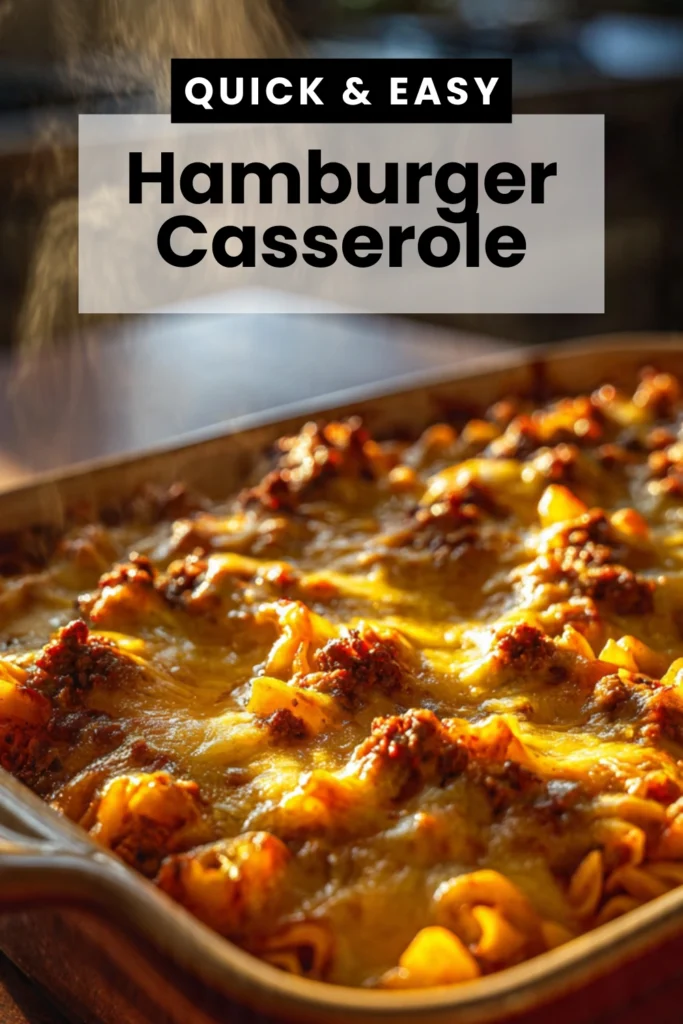
There’s something undeniably comforting about a warm, bubbling hamburger casserole fresh from the oven. This beloved dish brings together the hearty goodness of ground beef, the comforting texture of noodles or potatoes, and a medley of vegetables all bound together in a rich, savory sauce. A hamburger casserole is more than just a meal – it’s a hug in food form, perfect for gathering loved ones around the table. Whether you’re cooking for a busy weeknight dinner or preparing a dish to share at a potluck, this versatile recipe adapts to your needs while delivering satisfaction in every bite. The beautiful thing about hamburger casserole is its flexibility – you can customize it based on what’s in your pantry, making it a reliable go-to dish that never disappoints.
In this article, we’ll explore everything you need to know to create the perfect hamburger casserole – from selecting the best ingredients to troubleshooting common cooking mistakes. I’ll share my time-tested tips for creating layers of flavor, making this humble dish something truly special. So put on your apron, preheat your oven, and let’s create a hamburger casserole that will have everyone asking for seconds!
Table of Contents
Table of Contents
Ingredients
The beauty of a hamburger casserole lies in its simple, everyday ingredients that combine to create something extraordinary. Here’s what you’ll need for a classic version that serves 6-8 people:
Base Ingredients:
- 2 pounds ground beef (80/20 lean-to-fat ratio works best)
- 1 large onion, diced
- 3 cloves garlic, minced
- 1 bell pepper, diced (any color)
- 2 cups elbow macaroni or egg noodles (uncooked)
- 2 cups shredded cheddar cheese
Sauce Components:
- 1 can (15 oz) tomato sauce
- 1 can (14.5 oz) diced tomatoes
- 1 tablespoon Worcestershire sauce
- 2 teaspoons Italian seasoning
- 1 teaspoon paprika
- ½ teaspoon dried oregano
- Salt and pepper to taste
Optional Add-ins:
- 1 cup frozen corn or mixed vegetables
- 8 oz sliced mushrooms
- 1 zucchini, diced
- ½ cup sour cream (for creamier texture)
- ¼ cup grated Parmesan cheese (for topping)
- ¼ cup breadcrumbs mixed with 2 tablespoons melted butter (for crispy topping)
For the best results, choose ground beef that’s not too lean – a little fat adds flavor and juiciness. If you’re watching fat intake, you can drain the beef after browning or substitute with ground turkey. The cheese plays an important role in binding everything together while creating that irresistible golden crust, so don’t skimp on quality here!
Timing
A successful hamburger casserole requires proper timing at each stage of preparation. Here’s a breakdown to help you plan:
Preparation Time: 20-25 minutes
- Chopping vegetables: 5-7 minutes
- Browning meat and sautéing vegetables: 10 minutes
- Assembling the casserole: 5-8 minutes
Cooking Time: 35-45 minutes
- If using uncooked pasta in the casserole: 40-45 minutes
- If using pre-cooked pasta: 30-35 minutes
- Final browning with additional cheese topping: 5 minutes
Total Time: 55-70 minutes
For best results, plan to let your hamburger casserole rest for about 10 minutes after removing it from the oven. This resting period allows the dish to set properly and makes serving neater. If you’re in a hurry, you can prepare many elements in advance – brown the meat and chop vegetables the night before, storing them separately in the refrigerator until assembly time.
Step-by-step instructions
- Prepare your workspace: Preheat your oven to 375°F (190°C) and grease a 9×13 inch baking dish.
- Brown the meat: In a large skillet over medium-high heat, brown the ground beef, breaking it into small pieces as it cooks. When it’s about halfway done, add the diced onion and continue cooking until the meat is no longer pink and onions are translucent (about 5-7 minutes total).
- Add aromatics: Add minced garlic and diced bell pepper to the skillet and sauté for another 2 minutes until fragrant. If using mushrooms, add them now as well.
- Season the mixture: Stir in the Worcestershire sauce, Italian seasoning, paprika, oregano, salt, and pepper. Mix well to ensure the seasonings are evenly distributed.
- Add tomatoes: Pour in the tomato sauce and diced tomatoes (with their juice). Stir to combine and bring to a gentle simmer for about 5 minutes to allow flavors to meld.
- Prepare pasta: If using the uncooked pasta method, rinse the dry pasta briefly under cold water and drain well. If pre-cooking, boil the pasta until it’s slightly underdone (about 2 minutes less than package directions), then drain.
- Combine components: In a large mixing bowl, combine the meat sauce mixture with the pasta and any additional vegetables (corn, zucchini, etc.). If using sour cream, fold it in now for added creaminess.
- Layer the casserole: Add half the mixture to the prepared baking dish, sprinkle with 1 cup of shredded cheese, then add the remaining mixture on top.
- Add final toppings: Sprinkle the remaining cup of cheese over the top. If using the breadcrumb topping, combine breadcrumbs with melted butter and sprinkle evenly over the cheese.
- Bake: Cover the dish with aluminum foil and bake for 25 minutes. Then remove the foil and bake for an additional 10-15 minutes until bubbly and golden brown on top.
- Rest and serve: Allow the casserole to rest for 10 minutes before serving to help it set properly.
The key to a perfect hamburger casserole is layering flavors at each step. Don’t rush the browning of the meat or sautéing of the vegetables – those caramelized bits add tremendous depth to the final dish.
Nutritional Information
Understanding the nutritional content of your hamburger casserole can help you make informed decisions about portion sizes and accompaniments. The following information is approximate per serving (based on 8 servings from the recipe above):
Advertisement
- Calories: 420-450 kcal
- Protein: 28g
- Carbohydrates: 30g
- Dietary Fiber: 3g
- Sugars: 5g
- Fat: 22g
- Saturated Fat: 10g
- Cholesterol: 85mg
- Sodium: 650mg
- Potassium: 580mg
- Calcium: 20% DV
- Iron: 15% DV
This hearty dish provides a good balance of protein and carbohydrates, making it satisfying and energizing. The cheese and ground beef contribute significant calcium and iron, essential minerals for bone health and oxygen transport. The vegetables add important vitamins and dietary fiber, supporting digestive health.
Remember that these values can vary based on specific ingredients and brands used. If you’re tracking nutrition closely, consider calculating based on your exact ingredients.
Healthier Alternatives
If you’re looking to make your hamburger casserole more nutritious without sacrificing flavor, consider these healthy swaps and modifications:
Leaner Protein Options:
- Substitute ground beef with 93% lean ground turkey or chicken
- Use half ground beef and half lentils for a fiber boost
- Try plant-based ground meat alternatives for a vegetarian version
Whole Grain Upgrades:
- Replace regular pasta with whole wheat or legume-based pasta
- Substitute pasta entirely with riced cauliflower or spaghetti squash
- Use quinoa instead of pasta for added protein and nutrients
Dairy Modifications:
- Use reduced-fat cheese or reduce the quantity
- Substitute some cheese with nutritional yeast for a cheesy flavor with fewer calories
- Replace sour cream with Greek yogurt for more protein and less fat
Vegetable Boosts:
- Double or triple the vegetables called for in the recipe
- Add finely chopped spinach, kale, or grated carrots that blend seamlessly
- Include chopped butternut squash for natural sweetness and vitamin A
One of my favorite healthier versions uses lean ground turkey, whole wheat pasta, loads of extra vegetables, and a lighter topping of sharp cheddar (sharp varieties let you use less while maintaining flavor impact). The result is a more nutrient-dense casserole with all the comfort of the original but with significantly improved nutritional value.
Serving Suggestions
While a hamburger casserole can certainly stand alone as a complete meal, thoughtful sides and accompaniments can elevate your dining experience:
Fresh Side Salads:
- Simple garden salad with vinaigrette dressing
- Crisp Caesar salad with homemade croutons
- Tangy coleslaw for textural contrast
Vegetable Sides:
- Steamed or roasted broccoli
- Garlic green beans
- Honey-glazed carrots
Bread Companions:
- Warm garlic bread or breadsticks
- Flaky buttermilk biscuits
- Soft dinner rolls
Presentation Ideas:
- Serve in individual ramekins for an elegant presentation
- Top each serving with a dollop of sour cream and fresh herbs
- Sprinkle with crispy fried onions just before serving
For entertaining, consider setting up a “casserole bar” with various toppings like sliced green onions, diced avocado, hot sauce, extra cheese, and crispy bacon bits. This interactive approach allows guests to customize their portions.
Beverage pairings matter too! A medium-bodied red wine like Merlot or Zinfandel complements the richness of hamburger casserole beautifully. For non-alcoholic options, try unsweetened iced tea with lemon or a sparkling water with lime.
Common Mistakes
Even experienced cooks can encounter challenges when preparing hamburger casserole. Here are some common pitfalls to avoid:
Preparation Errors:
- Underseasoning the meat: Be generous with seasonings – casseroles need robust flavoring.
- Skipping the browning step: Never add raw ground beef directly to the casserole as it will result in a greasy, less flavorful dish.
- Using the wrong pasta: Choose shapes that catch sauce well, like shells, penne, or elbow macaroni rather than long, thin varieties.
Cooking Missteps:
- Overcooking the pasta: If pre-cooking pasta, leave it slightly firm as it will continue cooking in the oven.
- Too much liquid: Drain tomatoes if your sauce seems too watery, or the casserole will be soggy.
- Insufficient moisture: Conversely, without enough sauce, the pasta can absorb all liquid and leave the dish dry.
Assembly Problems:
- Overfilling the dish: Leave about an inch of space at the top to prevent bubbling over.
- Adding cheese too early: If all the cheese goes in too soon, it can disappear into the casserole rather than forming a desirable top layer.
- Not covering during initial baking: This can result in dry pasta or an overbrowned top before the center is cooked.
The most critical mistake is rushing the process. Each step builds flavor, from properly browning the meat to allowing adequate baking time. A common troubleshooting tip: if your casserole seems dry during baking, you can add a little beef broth or tomato sauce around the edges and continue baking.
Storage Tips
One of the greatest virtues of hamburger casserole is how well it keeps. Proper storage ensures you can enjoy leftovers that taste just as good as – sometimes even better than – the freshly made dish.
Refrigeration:
- Allow the casserole to cool completely before refrigerating (within 2 hours of cooking).
- Cover tightly with aluminum foil or transfer portions to airtight containers.
- Properly stored, hamburger casserole will last 3-4 days in the refrigerator.
- Reheat individual portions in the microwave for 2-3 minutes or until heated through.
- For whole leftover casserole, reheat covered in a 350°F oven for 20-25 minutes.
Freezing Instructions:
- Hamburger casserole freezes exceptionally well for up to 3 months.
- Consider freezing in portion-sized containers for easy future meals.
- If freezing a whole casserole, use a disposable aluminum pan for convenience.
- Cover with a layer of plastic wrap followed by heavy-duty aluminum foil.
- Label with the date and contents before freezing.
Thawing and Reheating Frozen Casserole:
- Thaw overnight in the refrigerator for best results.
- Remove plastic wrap but keep foil covering when reheating.
- Reheat in a 350°F oven for 30-35 minutes if thawed, 45-55 minutes if frozen.
- Remove foil for the last 10 minutes to restore some crispness to the top.
For meal prep, you can also assemble the entire casserole, refrigerate unbaked for up to 24 hours, or freeze for up to 3 months. If baking from frozen, add about 20-30 minutes to the covered baking time.
Conclusion
Hamburger casserole stands as a testament to comfort food’s enduring appeal – simple, satisfying, and infinitely adaptable. We’ve explored how this humble dish can be elevated through careful ingredient selection, thoughtful preparation, and creative variations. From its protein-rich base to its melty cheese topping, each element plays an important role in creating a memorable meal that nourishes both body and spirit.
FAQs
Can I make hamburger casserole ahead of time?
Absolutely! You can assemble the entire casserole up to 24 hours in advance and refrigerate it unbaked. When ready to cook, remove it from the refrigerator about 30 minutes before baking to take the chill off, then bake as directed, possibly adding 5-10 minutes to the cooking time. Alternatively, you can prepare all components (brown the meat, cook the pasta, prepare the sauce) separately and store them in the refrigerator for up to 2 days before assembling and baking.
How can I prevent my hamburger casserole from being too dry or too soggy?
The key to perfect consistency lies in the ratio of wet to dry ingredients. If using uncooked pasta in the casserole, make sure there’s enough liquid for it to absorb during baking. The sauce should seem slightly too thin before baking, as the pasta will absorb moisture. If pre-cooking pasta, leave it slightly undercooked (al dente) and make your sauce a bit thicker. If you notice your casseroles tend to dry out, cover them tightly with foil during baking and only uncover for the last 10-15 minutes.
Can I use different types of ground meat in this recipe?
Yes! While traditional hamburger casserole uses ground beef, you can substitute with ground turkey, chicken, pork, or even lamb. Each will bring a different flavor profile to the dish. For ground turkey or chicken, which tend to be leaner, consider adding a tablespoon of olive oil when browning to maintain moisture. For the most complex flavor, try using a mixture of different ground meats – perhaps beef and pork in equal portions.
My family has dietary restrictions. Can hamburger casserole be made gluten-free or dairy-free?
Definitely! For gluten-free versions, use certified gluten-free pasta or substitute with cooked rice, quinoa, or cauliflower rice. Ensure any Worcestershire sauce and seasonings are also gluten-free. For dairy-free options, use plant-based cheese alternatives that melt well, or create a creamy texture without cheese by incorporating a dairy-free bechamel sauce made with plant milk, olive oil, and gluten-free flour or starch. Many dairy-free cheese products now available melt surprisingly well in casseroles.
What’s the best way to add vegetables to hamburger casserole for picky eaters?
For vegetable-resistant eaters, try these strategies: 1) Finely dice or grate vegetables like carrots, zucchini, or bell peppers so they practically disappear into the sauce, 2) Puree cooked vegetables and mix them into the tomato sauce component, 3) Use vegetables with mild flavors such as spinach which wilts significantly, 4) Introduce just one vegetable at a time rather than several at once, or 5) Involve picky eaters in choosing which vegetable to include, giving them some ownership of the dish. Remember that cheese sauce can help mask vegetables for particularly resistant eaters.