
Planning a memorable St. Patrick’s Day celebration doesn’t have to be complicated or time-consuming. A well-crafted St. Patricks Day Dinner Platter brings together the best of Irish-inspired cuisine in one beautiful, crowd-pleasing spread. Whether you’re hosting a small family gathering or a larger party, these seven easy recipes will help you create an authentic feast that captures the spirit of the Emerald Isle.
Table of Contents
Table of Contents
From traditional favorites like tender St. Patricks Day Dinner Platter to creative twists on classic dishes, this guide covers everything you need to know about assembling a show-stopping platter that your guests will remember long after the shamrocks have been put away.
Ingredients
Classic Corned Beef
- 4 pounds corned beef brisket with spice packet
- 10 cups water
- 6 cloves garlic, smashed
- 2 bay leaves
- 1 tablespoon whole peppercorns
Braised Cabbage Wedges
- 2 medium green cabbages, cut into 8 wedges each
- 4 tablespoons unsalted butter
- 1 cup chicken broth
- Salt and pepper to taste
- Fresh parsley for garnish
Irish Soda Bread
- 4 cups all-purpose flour
- 1 teaspoon baking soda
- 1 teaspoon salt
- 2 cups buttermilk
- Optional: 1 cup raisins or caraway seeds
Colcannon Mash
- 3 pounds russet potatoes, peeled and cubed
- 4 cups chopped kale or cabbage
- 1 cup whole milk, warmed
- 6 tablespoons butter
- 4 green onions, thinly sliced
- Salt and white pepper to taste
Glazed Carrots
- 2 pounds carrots, peeled and cut into 2-inch pieces
- 3 tablespoons butter
- 2 tablespoons honey
- 1 tablespoon fresh thyme leaves
- Salt and pepper to taste
Irish Cheddar and Mustard Sauce
- 2 tablespoons butter
- 2 tablespoons all-purpose flour
- 2 cups whole milk
- 2 cups shredded Irish cheddar cheese
- 2 tablespoons whole grain mustard
Herb-Roasted Baby Potatoes
- 2 pounds baby potatoes, halved
- 3 tablespoons olive oil
- 2 tablespoons fresh rosemary, chopped
- 4 cloves garlic, minced
- Sea salt and black pepper
Timing
Prep Time: 45 minutes
Cook Time: 3 hours 30 minutes
Total Time: 4 hours 15 minutes
Servings: 12-14 people
Make-Ahead Tips: The corned beef can be cooked up to 2 days in advance and refrigerated. Irish soda bread tastes best fresh but can be baked the morning of your celebration. Colcannon mash can be prepared 4 hours ahead and kept warm in a slow cooker. Prep all vegetables the night before to streamline cooking day.
Step-by-Step Instructions
Advertisement
Recipe 1: Classic Corned Beef
- Place corned beef brisket in a large Dutch oven and cover with water. Add the spice packet, garlic, bay leaves, and peppercorns.
- Bring to a boil over high heat, then reduce to a gentle simmer. Cover and cook for 3 hours, or until fork-tender.
- Remove from liquid and let rest for 15 minutes before slicing against the grain into quarter-inch slices.
Recipe 2: Braised Cabbage Wedges
- Preheat oven to 375°F. Arrange cabbage wedges in a large roasting pan.
- Dot with butter, pour chicken broth around wedges, and season generously with salt and pepper.
- Cover tightly with foil and braise for 45 minutes until tender. Garnish with fresh parsley.
Recipe 3: Irish Soda Bread
- Preheat oven to 425°F. In a large bowl, whisk together flour, baking soda, and salt.
- Make a well in the center and pour in buttermilk. Stir gently until just combined; do not overmix.
- Shape into a round loaf, place on a baking sheet, and cut a deep X across the top.
- Bake for 35-40 minutes until golden brown and hollow-sounding when tapped.
Recipe 4: Colcannon Mash
- Boil potatoes in salted water for 15-20 minutes until tender. Drain well.
- Meanwhile, sauté kale or cabbage in 2 tablespoons butter until wilted, about 5 minutes.
- Mash potatoes with warm milk and remaining butter until creamy. Fold in the greens and green onions.
- Season with salt and white pepper. Keep warm until serving.
Recipe 5: Glazed Carrots
- Bring a large pot of salted water to boil. Cook carrots for 8 minutes until just tender. Drain well.
- In the same pot, melt butter over medium heat. Add honey and thyme.
- Return carrots to the pot and toss to coat evenly. Cook for 3-4 minutes until glazed and caramelized.
Recipe 6: Irish Cheddar and Mustard Sauce
- Melt butter in a medium saucepan over medium heat. Whisk in flour and cook for 1 minute.
- Gradually whisk in milk, stirring constantly until smooth and thickened, about 5 minutes.
- Remove from heat and stir in cheese until melted. Add mustard and season to taste.
Recipe 7: Herb-Roasted Baby Potatoes
- Preheat oven to 425°F. Toss halved potatoes with olive oil, rosemary, garlic, salt, and pepper.
- Spread on a baking sheet in a single layer, cut side down.
- Roast for 35-40 minutes until golden brown and crispy, flipping halfway through.
Nutritional Information
Approximate Calories Per Serving: 680 calories
This hearty St. Patrick’s Day platter provides a balanced mix of protein, carbohydrates, and vegetables. The corned beef delivers substantial protein and iron, while the cabbage and carrots offer fiber, vitamins C and K, and important antioxidants. The potato-based dishes provide energy-sustaining complex carbohydrates. While this traditional feast is higher in sodium due to the corned beef preparation, the abundance of vegetables helps balance the meal. Portion control and mindful serving sizes can help you enjoy this festive meal while maintaining nutritional awareness. The combination of different food groups makes this a satisfying and relatively complete meal.
Healthier Alternatives
For those looking to lighten up this traditional feast, several simple swaps can reduce calories and sodium without sacrificing flavor. Consider using a leaner cut of beef or even turkey breast that’s been brined with similar spices for a lower-fat protein option. You can reduce the butter in the colcannon mash by substituting half with Greek yogurt or low-fat sour cream, which adds creaminess and protein. Replace half the potatoes with cauliflower for a lower-carb version that still maintains wonderful texture.
Use low-sodium chicken broth when braising the cabbage, and opt for reduced-fat Irish cheddar in the sauce. The glazed carrots can be made with olive oil instead of butter and a touch of maple syrup rather than honey for a different flavor profile. For the soda bread, substitute whole wheat flour for half the all-purpose flour to increase fiber content. Steam or roast the baby potatoes with minimal oil for a lighter side dish. These modifications allow everyone to enjoy the celebration while accommodating various dietary preferences and health goals.
Serving Suggestions
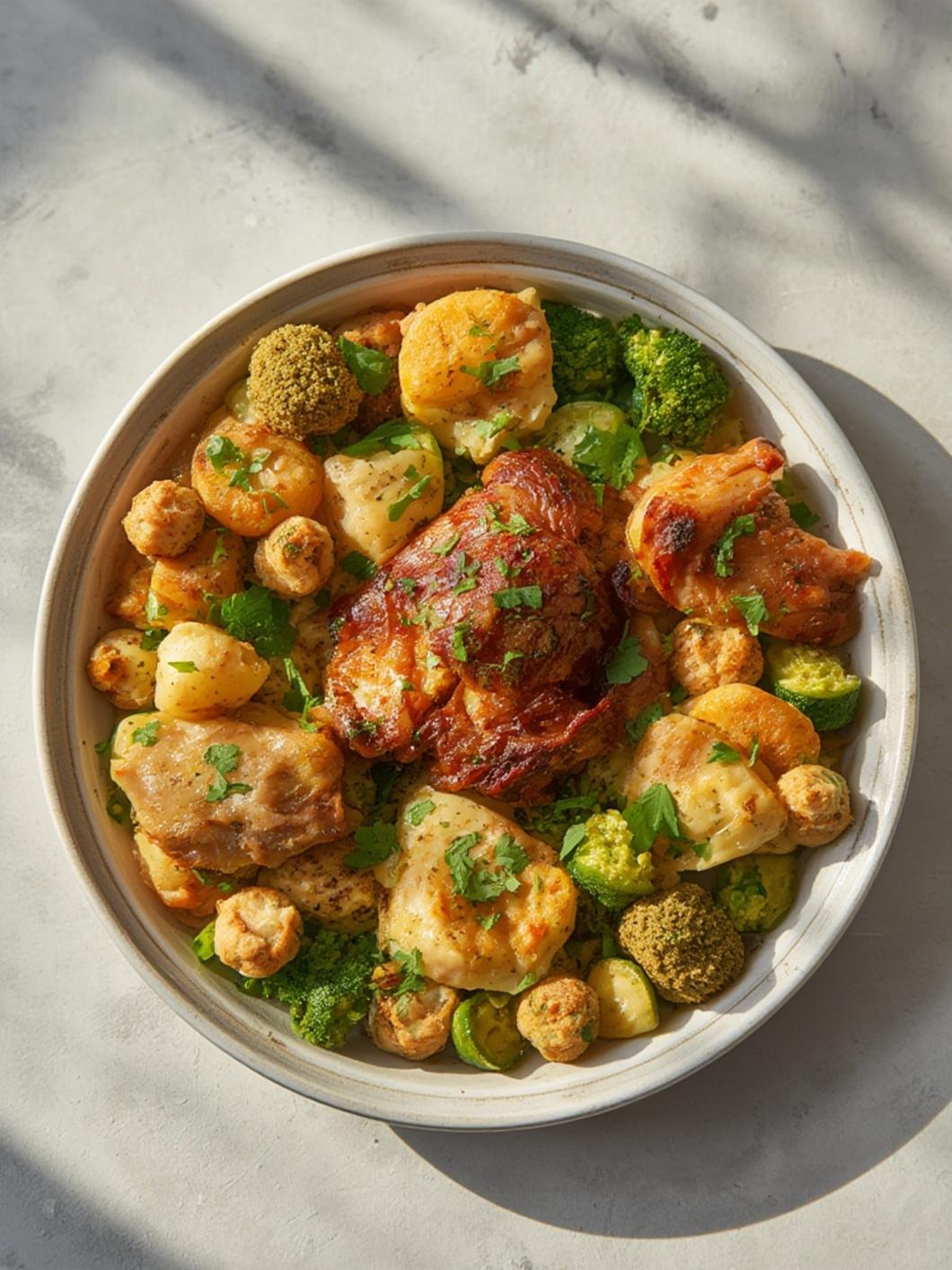
Presentation is key when serving your Corned Beef and Cabbage dinner platter. Arrange the sliced corned beef on a large wooden board or platter as the centerpiece, surrounded by the colorful vegetables and sides. Place the cabbage wedges, glazed carrots, and roasted potatoes in separate sections to create visual interest. Serve the colcannon mash in a rustic bowl with a well of melted butter on top, and offer the cheddar mustard sauce in a gravy boat on the side.
Slice the Irish soda bread and arrange it in a linen-lined basket for easy serving. Provide Irish butter at room temperature for spreading. Consider offering traditional accompaniments like whole grain mustard, horseradish cream, and pickled vegetables for guests who enjoy bold flavors. For beverages, Irish stout beer pairs beautifully with the rich corned beef, while sparkling water with lemon complements the meal nicely. Don’t forget to set out plenty of fresh parsley for garnishing individual plates, adding both color and freshness to each serving.
Common Mistakes
Overcooking the Corned Beef: The most common error is cooking corned beef at too high a temperature, resulting in tough, stringy meat. Always maintain a gentle simmer, never a rolling boil. The meat should be fork-tender and easily shreddable when done properly.
Slicing Incorrectly: Always slice corned beef against the grain to ensure tender, easy-to-chew pieces. Slicing with the grain creates long, tough fibers that are difficult to eat.
Soggy Cabbage: Overcooking cabbage turns it mushy and releases unpleasant sulfur odors. Braise just until tender but still holding its shape, with a slight bite remaining.
Overmixing Soda Bread: Irish soda bread should be mixed just until combined. Overworking the dough develops too much gluten, resulting in a tough, dense loaf instead of the desired tender crumb.
Cold Ingredients: Using cold milk in mashed potatoes creates a gluey texture. Always warm your milk and butter before adding to ensure smooth, creamy results.
Underseasoning: With so many components, it’s easy to underseason individual dishes. Taste each recipe as you go and adjust salt and pepper accordingly for maximum flavor impact.
Storage Tips
Proper storage ensures you can enjoy leftovers for days after your St. Patrick’s Day celebration. Store leftover corned beef wrapped tightly in aluminum foil or in an airtight container in the refrigerator for up to 4 days. The meat actually develops deeper flavor after a day or two. For longer storage, freeze sliced corned beef in freezer bags for up to 3 months, separating layers with parchment paper for easy portioning.
Colcannon mash keeps well in the refrigerator for 3-4 days in a covered container. Reheat gently on the stovetop with a splash of milk to restore creaminess. The braised cabbage can be refrigerated for up to 3 days and reheated in the microwave or oven. Glazed carrots and roasted potatoes store for 4 days refrigerated; reheat in a 350°F oven to restore their texture rather than microwaving, which can make them soggy.
Irish soda bread is best consumed within 2 days but can be frozen whole or sliced for up to 2 months. Thaw at room temperature and refresh in a 300°F oven for 10 minutes. The cheese sauce should be refrigerated in an airtight container for up to 3 days and reheated gently over low heat, whisking in a little milk to restore smooth consistency.
Conclusion
Creating an impressive St. Patricks Day Dinner Platter doesn’t require professional chef skills or hours of complicated preparation. These seven recipes work together beautifully to deliver authentic Irish flavors while remaining accessible for home cooks of all levels. The combination of tender corned beef, vibrant vegetables, creamy potatoes, and fresh-baked bread creates a memorable feast that honors tradition while bringing people together around the table.
FAQs
Can I substitute turkey for corned beef?
Yes, brined turkey breast makes an excellent leaner alternative. Look for pre-brined turkey breast or brine your own using pickling spices, salt, and sugar for 24 hours before cooking using the same method as corned beef, but reduce cooking time to about 90 minutes.
How do I know when corned beef is done?
Corned beef is properly cooked when it reaches an internal temperature of 145°F and is fork-tender, meaning a fork easily slides in and twists without resistance. The meat should be easily shreddable but still hold together when sliced.
Can these recipes be made ahead for a party?
Absolutely! Cook the corned beef up to 2 days ahead and refrigerate in its cooking liquid. Prepare colcannon mash up to 4 hours ahead and keep warm in a slow cooker on low. Most vegetables can be prepped the night before, and soda bread can be baked the morning of your event.
What if I don’t have buttermilk for the soda bread?
Make a quick substitute by adding 2 tablespoons of white vinegar or lemon juice to 2 cups of regular milk. Let it sit for 5 minutes until it curdles slightly, then use as you would buttermilk in the recipe.
How can I prevent my mashed potatoes from becoming gluey?
Use a potato masher or ricer rather than an electric mixer, which overworks the starches and creates a gluey texture. Also, make sure your potatoes are thoroughly drained and your milk and butter are warm before mixing. Fold ingredients together gently rather than beating vigorously.