
Looking for fresh salmon recipes that combine incredible flavor with nutritious ingredients? You’ve come to the right place. Salmon has become a staple in American kitchens, and for good reason. This versatile fish delivers heart-healthy omega-3 fatty acids, lean protein, and a mild flavor that pairs beautifully with countless seasonings and cooking methods. Whether you’re a busy parent searching for quick weeknight dinners or a meal-prep enthusiast planning your week ahead, these salmon recipes will transform your dinner routine.
Table of Contents
Table of Contents
Ingredients
For Pan-Seared Garlic Butter Salmon:
- 4 salmon fillets (6 ounces each), skin-on or skinless
- 2 tablespoons olive oil
- 3 tablespoons unsalted butter
- 4 cloves garlic, minced
- 1 tablespoon fresh lemon juice
- 2 tablespoons fresh parsley, chopped
- 1 teaspoon sea salt
- ½ teaspoon black pepper
For Honey Glazed Salmon:
- 4 salmon fillets (6 ounces each)
- 3 tablespoons honey
- 2 tablespoons soy sauce (or tamari for gluten-free)
- 1 tablespoon Dijon mustard
- 2 cloves garlic, minced
- 1 teaspoon fresh ginger, grated
For Mediterranean Baked Salmon:
- 4 salmon fillets (6 ounces each)
- 1 cup cherry tomatoes, halved
- ½ cup Kalamata olives, pitted and halved
- ¼ cup feta cheese, crumbled
- 3 tablespoons olive oil
- 2 teaspoons dried oregano
- Fresh basil for garnish
Smart Substitutions:
- Replace butter with ghee or additional olive oil for dairy-free options
- Swap honey with maple syrup or agave nectar
- Use coconut aminos instead of soy sauce for paleo diets
- Substitute fresh herbs with dried (use one-third the amount)
- Try smoked paprika instead of black pepper for depth
Timing
Prep Time: 10 minutes
Cook Time: 12-15 minutes
Total Time: 25 minutes
Advertisement
Servings: 4 people
Make-Ahead Notes: Prepare marinades up to 24 hours in advance and store in airtight containers. Pat salmon dry before cooking for best results. Cooked salmon can be refrigerated for up to 3 days, making it perfect for meal prep. You can also portion and freeze uncooked marinated salmon for up to 2 months.
Step-by-Step Instructions
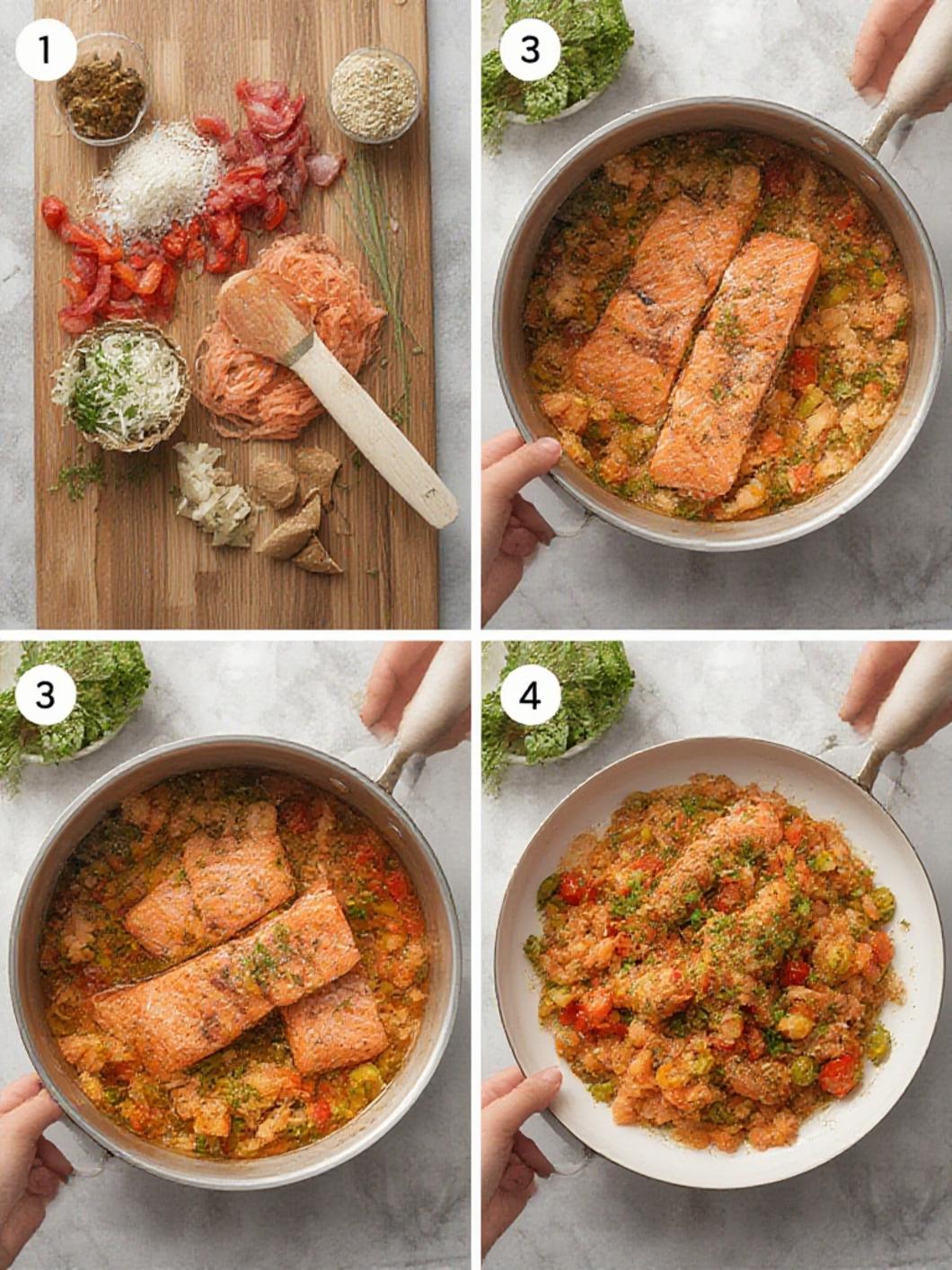
Pan-Seared Garlic Butter Salmon:
- Remove salmon from refrigerator 15 minutes before cooking to bring to room temperature. Pat fillets completely dry with paper towels and season both sides generously with salt and pepper.
- Heat olive oil in a large skillet over medium-high heat until shimmering but not smoking. Place salmon fillets skin-side up in the pan, ensuring they don’t touch.
- Cook without moving for 4-5 minutes until a golden crust forms. Gently flip using a fish spatula and cook for 3-4 minutes on the other side.
- Reduce heat to medium-low, add butter and minced garlic to the pan. Tilt the pan and spoon the melted garlic butter over the salmon continuously for 1-2 minutes.
- Remove from heat, drizzle with fresh lemon juice, and garnish with chopped parsley. Serve immediately while hot.
Honey Glazed Salmon:
- Preheat oven to 400°F and line a baking sheet with parchment paper. Arrange salmon fillets on the prepared sheet, leaving space between each piece.
- Whisk together honey, soy sauce, Dijon mustard, garlic, and ginger in a small bowl until smooth and well combined.
- Brush the honey glaze generously over each salmon fillet, reserving some for basting. Bake for 10-12 minutes, depending on thickness.
- Halfway through cooking, remove from oven and brush with additional glaze. Return to oven to finish cooking until salmon flakes easily with a fork.
- For a caramelized finish, broil for the final 2 minutes, watching carefully to prevent burning.
Mediterranean Baked Salmon:
- Preheat oven to 375°F. Arrange salmon fillets in a baking dish, leaving space for vegetables around them.
- Scatter cherry tomatoes and olives around the salmon. Drizzle everything with olive oil and sprinkle with oregano, salt, and pepper.
- Bake for 15-18 minutes until salmon is cooked through and tomatoes have softened and released their juices.
- Remove from oven and immediately top with crumbled feta cheese. Let rest for 2 minutes before serving.
- Garnish with fresh basil leaves and serve with crusty bread to soak up the flavorful pan juices.
Pro Tips: For perfect doneness, salmon should reach an internal temperature of 145°F. The flesh should be opaque and flake easily but still remain moist. Avoid overcooking, as salmon continues cooking from residual heat after removal from heat source.
Nutritional Information
Per serving of Pan-Seared Garlic Butter Salmon (based on a 6-ounce fillet): Approximately 380 calories, 34g protein, 2g carbohydrates, 26g fat (8g saturated), 0g fiber, 95mg cholesterol, and 420mg sodium.
Salmon stands out as one of the most nutrient-dense proteins available. Each serving delivers an excellent source of omega-3 fatty acids EPA and DHA, which support cardiovascular health and brain function. You’ll also get significant amounts of vitamin D, B vitamins (especially B12), selenium, and potassium. The high-quality protein helps maintain muscle mass and keeps you satisfied for hours. These salmon recipes provide balanced macronutrients while remaining relatively low in calories, making them ideal for various dietary goals.
Wild-caught salmon typically contains slightly fewer calories and less fat than farm-raised varieties, though both offer excellent nutritional profiles. The honey-glazed version adds approximately 60 calories per serving from the sweetener, while the Mediterranean preparation includes beneficial fats from olives and heart-healthy monounsaturated fats from olive oil.
Healthier Alternatives
Making these recipes even lighter is simple with a few strategic swaps. Replace butter with avocado oil or extra virgin olive oil to reduce saturated fat while maintaining richness. For the honey-glazed salmon, use a sugar-free sweetener or reduce the honey to 2 tablespoons and add orange juice for sweetness with fewer calories.
Choose low-sodium soy sauce or coconut aminos to significantly reduce sodium content without sacrificing flavor depth. For a dairy-free Mediterranean version, skip the feta or substitute with nutritional yeast for a cheesy flavor profile that’s entirely plant-based.
Consider using skinless salmon fillets to reduce fat content, though salmon skin does provide beneficial omega-3s when consumed. Air-frying is another excellent alternative to pan-searing, using just a light spray of oil while achieving similar crispiness. Grilling salmon on cedar planks imparts smoky flavor without added fats.
For those watching carbohydrate intake, the garlic butter and Mediterranean preparations are naturally low-carb. Simply adjust the honey in the glazed version to fit your macros. Pair with cauliflower rice or zucchini noodles instead of traditional grains for a complete low-carb meal.
Serving Suggestions
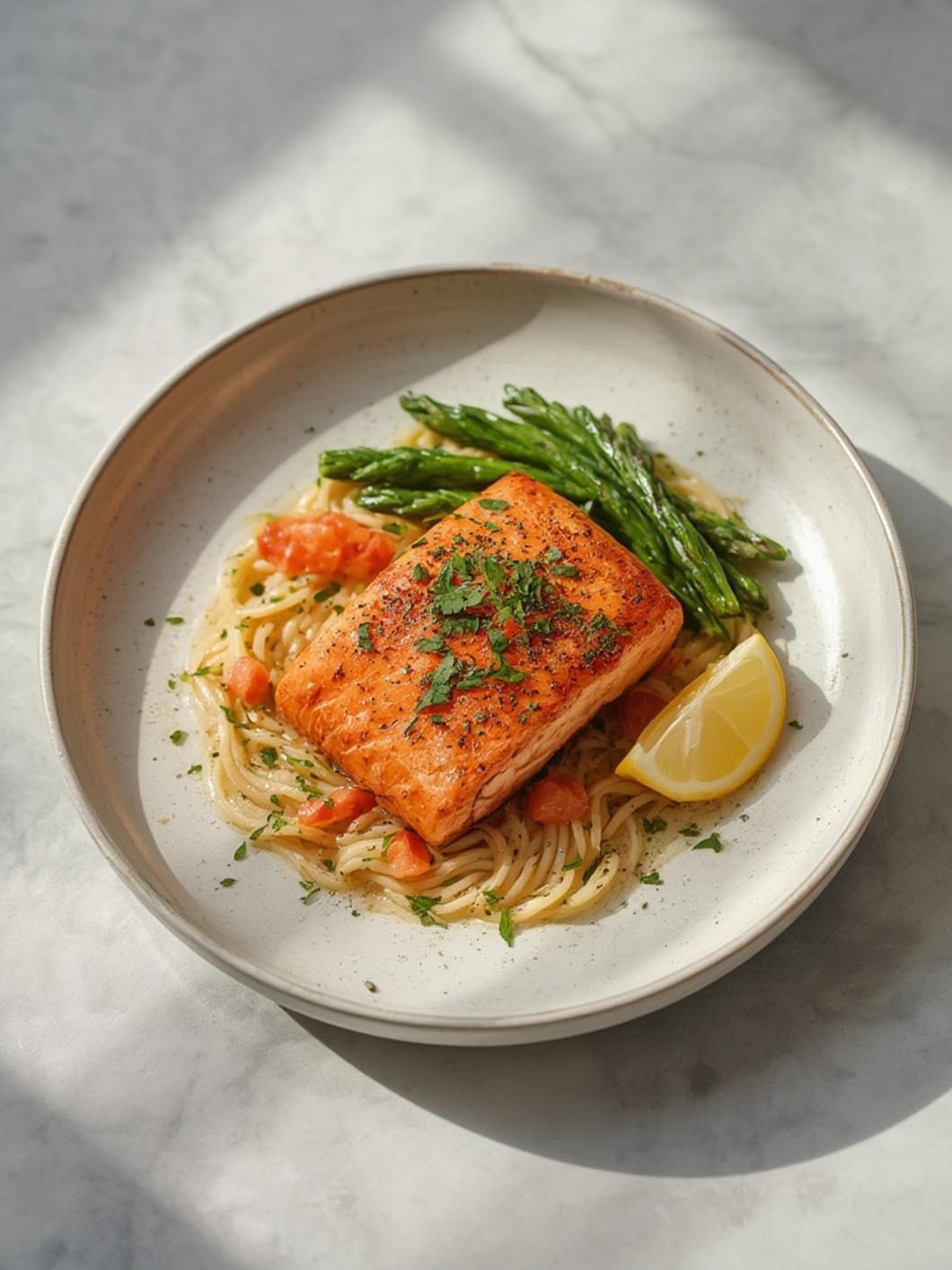
These salmon preparations pair beautifully with countless side dishes. For the garlic butter version, serve alongside roasted asparagus, garlic mashed potatoes, or a crisp Caesar salad. The rich, buttery sauce complements earthy vegetables perfectly.
Honey-glazed salmon shines when paired with Asian-inspired sides like stir-fried bok choy, jasmine rice, or sesame green beans. The sweet-savory glaze also works wonderfully with quinoa pilaf or roasted broccoli tossed in sesame oil.
Mediterranean baked salmon naturally pairs with Greek-style sides such as lemon-herb orzo, roasted red potatoes with rosemary, or a fresh cucumber and tomato salad. Serve with warm pita bread to soak up the delicious pan juices.
For beverage pairings, consider a crisp Sauvignon Blanc or unoaked Chardonnay with the garlic butter preparation. The honey-glazed version pairs nicely with Riesling or a light Pinot Noir. Mediterranean salmon complements rosé or a light, fruity red wine. Non-alcoholic options include sparkling water with lemon, iced green tea, or cucumber-mint water.
Top your salmon with additional fresh herbs, toasted nuts like almonds or pine nuts, or a dollop of herb compound butter for extra indulgence. A squeeze of fresh lemon brightens any preparation, while microgreens add visual appeal and a fresh, peppery note. For more inspiration, explore these grilled salmon recipes that showcase different flavor profiles.
Common Mistakes
Overcooking the salmon: This is the most common error, resulting in dry, chalky texture. Cook just until the internal temperature reaches 145°F, and remember that carryover cooking will continue raising the temperature by 5-10 degrees after removal from heat.
Not patting salmon dry: Excess moisture prevents proper browning and creates steam instead of a crispy exterior. Always pat fillets thoroughly dry with paper towels before seasoning and cooking.
Using a cold pan: Adding salmon to an insufficiently heated pan causes sticking and uneven cooking. Heat your pan until oil shimmers before adding fish, and avoid moving the salmon until a crust forms.
Flipping too early: Salmon needs time to develop a proper crust. Wait until the fillet releases easily from the pan—if it sticks, it’s not ready to flip. Patience prevents tearing and ensures beautiful presentation.
Skipping room temperature rest: Cooking cold salmon straight from the refrigerator leads to uneven cooking, with overcooked exteriors and undercooked centers. Let salmon sit at room temperature for 15 minutes before cooking.
Using the wrong spatula: A thin, flexible fish spatula is essential for flipping delicate salmon without breaking. Standard spatulas are too thick and inflexible for this task.
Storage Tips
Refrigerator Storage: Store cooked salmon in an airtight container in the refrigerator for up to 3 days. Let it cool completely before sealing to prevent condensation. Place parchment paper between fillets if stacking to maintain texture.
Freezing Cooked Salmon: Freeze cooked salmon for up to 2 months. Wrap individual portions tightly in plastic wrap, then aluminum foil, and place in freezer bags. Label with the date and remove as much air as possible to prevent freezer burn.
Freezing Uncooked Salmon: Fresh salmon can be frozen for up to 3 months. For marinated salmon, freeze in the marinade in freezer-safe bags for convenient meal prep. Thaw overnight in the refrigerator before cooking.
Reheating Methods: For best results, reheat salmon gently in a 275°F oven for 10-15 minutes until warmed through. Cover with foil to retain moisture. Alternatively, microwave on 50% power in 30-second intervals. Avoid high heat, which causes the salmon to dry out and overcook. Cold leftover salmon works beautifully flaked into salads, grain bowls, or pasta dishes.
Food Safety: Never leave cooked salmon at room temperature for more than 2 hours (1 hour if above 90°F). Always thaw frozen salmon in the refrigerator, never at room temperature, to prevent bacterial growth.
Conclusion
These quick and healthy salmon recipes prove that nutritious weeknight dinners don’t have to be complicated or time-consuming. Whether you prefer the classic richness of garlic butter, the sweet-savory balance of honey glaze, or the bright Mediterranean flavors, you now have versatile techniques to prepare perfect salmon every time. Each recipe delivers restaurant-quality results with minimal effort, making them ideal for busy schedules without sacrificing flavor or nutrition.
FAQs
How do I know when salmon is fully cooked?
Salmon is done when it reaches an internal temperature of 145°F and the flesh is opaque and flakes easily with a fork. The center should be slightly translucent for moist, tender results. If you prefer fully opaque salmon, cook for an additional 1-2 minutes, though this may result in slightly drier texture.
Can I use frozen salmon for these recipes?
Yes, but thaw it properly first. Place frozen salmon in the refrigerator overnight for gradual, safe thawing. For quicker thawing, seal in a plastic bag and submerge in cold water for 30-60 minutes, changing water every 30 minutes. Never thaw at room temperature or in warm water, as this promotes bacterial growth.
What’s the difference between wild-caught and farm-raised salmon?
Wild-caught salmon typically has a firmer texture, deeper color, and more pronounced flavor. It contains slightly less fat and fewer calories. Farm-raised salmon is generally more affordable, has a milder flavor, and higher fat content. Both offer excellent nutritional profiles with beneficial omega-3 fatty acids. Choose based on your preference and budget.
Can I make these recipes ahead for meal prep?
Absolutely! Cook salmon according to the recipes and portion into airtight containers with your chosen sides. Refrigerate for up to 3 days. These preparations work wonderfully cold in salads or reheated gently. You can also marinate raw salmon up to 24 hours in advance and cook when ready to eat.